Ynetnews recently rounded up 10 spectacular abandoned places around the world, from a city evacuated after a nuclear disaster to a diamond town swallowed by desert. The source material available to me covers six of them by name, so this guide sticks to those six: Pripyat, Hashima, Kolmanskop, Craco, Varosha and Bodie. By the end, you'll know what shaped each place, what the Ynetnews overview says drew them into the spotlight, and how to think about visiting ruins responsibly.
A note on this site's usual focus: food is rarely the headline at these destinations, and I won't invent dining details I can't back up. What I can offer is a lens that fits a food and travel site well. Every one of these places was once a working community with kitchens, markets and daily routines. Thinking about that life is the most respectful way in.
The six places at a glance
Per Ynetnews, these sites were once thriving and now tell very different stories. The causes of abandonment differ widely:
- Pripyat, Ukraine: a city evacuated after a nuclear disaster.
- Hashima (Gunkanjima), Japan: an island community in the overview's list of dramatic abandoned places.
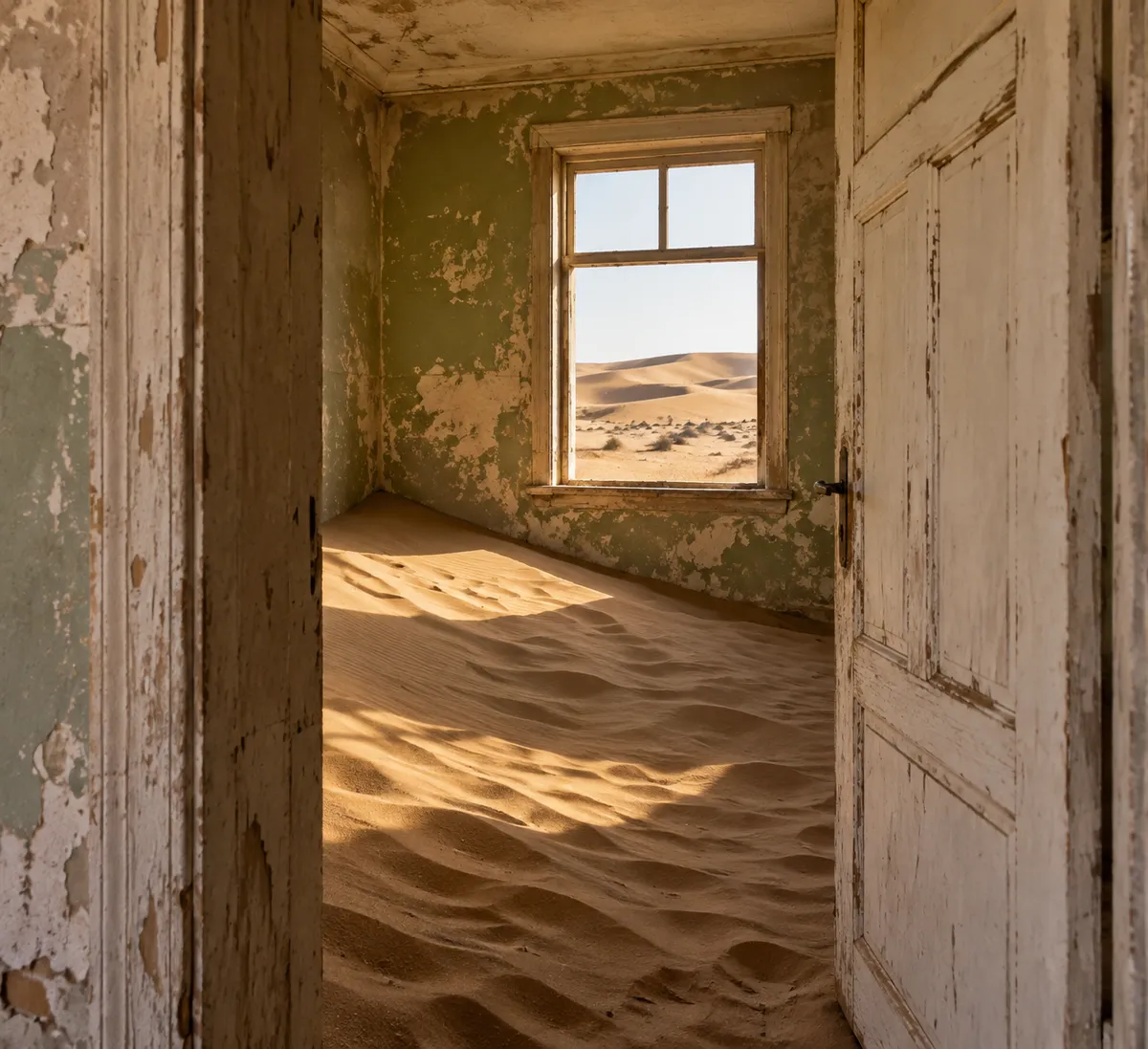
- Kolmanskop, Namibia: a diamond town swallowed by desert.
- Craco, Italy: a once-inhabited settlement now counted among the world's abandoned places.
- Varosha, Cyprus: a resort abandoned after war.
- Bodie, California, USA: a ghost town in the American West.
The overview frames the broader group as places where disasters, war, industry collapse and environmental forces turned communities into time capsules. I can't verify further specifics, such as dates, populations or visitor rules, so check official sources before you plan a trip.
Pripyat: when a whole city leaves at once
Pripyat is the clearest example of sudden abandonment in the list: a city evacuated after a nuclear disaster. What makes it powerful is the sense of interrupted routine. Think of the everyday things a city of residents would have had: shops, canteens, homes. Their absence is the story.
Before going, look up current access conditions with official Ukrainian sources. Conflict and safety rules can change what is possible, and some of these sites are politically sensitive.
Hashima: an island shaped by industry
Hashima, also known as Gunkanjima, represents the industry-collapse category of abandonment. The place existed because of work, and when that work ended, the community went with it. If you visit any industrial ruin, read up on the people who lived there first. Their history gives the concrete and rust meaning.
Kolmanskop: sand reclaims a diamond town
Kolmanskop is the picture most people have seen: a diamond town swallowed by desert. It's a vivid reminder that a boomtown depends entirely on what's underground. When the stones stopped paying, the desert moved in.
If you're drawn here for photography, plan for the conditions of a desert site, and confirm access arrangements beforehand rather than assuming you can wander freely.
Craco: a village left to the landscape
Craco in Italy sits on the list as an abandoned place where time seems to have stopped. I don't have specifics on its history from my source material, so treat it as a prompt for research. Italy's hill settlements often have rich local food traditions in the surrounding region, so if you go, spend time in nearby towns eating what the area is known for. Ask locals what's typical rather than relying on a generic list.
Varosha: a resort frozen after war
Varosha, Cyprus, was a resort abandoned after war. Of all six, it carries the heaviest political weight. Ynetnews notes that several sites on the broader list remain politically sensitive or newly accessible, and visiting them involves ethical questions. For Varosha, that means checking current access rules and being mindful that displaced people have a real stake in this place. It isn't a backdrop.
Bodie: the American ghost town
Bodie, California, is the most approachable of the six for many travelers, and a good starting point if you're new to ruin visiting. It stands for the classic boomtown story: people arrived for opportunity, and left when it dried up. Confirm hours, seasonal access and any rules at the official park or site resource before you go.
How to visit abandoned places respectfully
The renewed interest in dark tourism and ruin photography makes etiquette part of the trip. A few practical habits:
- Research the human story first. Know why people left, and who was affected.
- Check access and safety rules. Some sites are restricted, politically sensitive or hazardous. Follow official guidance.
- Take only photos. Leave objects where they are. Disturbed ruins lose the very quality that makes them worth seeing.
- Photograph with restraint. Staged or flippant shots at sites of tragedy read badly. Where people suffered, behave as you would at a memorial.
- Spend money locally. Eat, stay and shop in nearby communities. It's the simplest way to support the people who live around these places today.
A simple way to bring the trip home
Since this is a food site, here's a low-effort ritual rather than a recipe I'd have to make up: after visiting, cook a regional meal from the country you traveled in, using a recipe from a trusted local cookbook or cook. It turns a somber trip into an act of connection with the living culture beside the ruins.
Pick one of the six, read about it from an official or well-sourced account, and check today's access rules before you book anything.