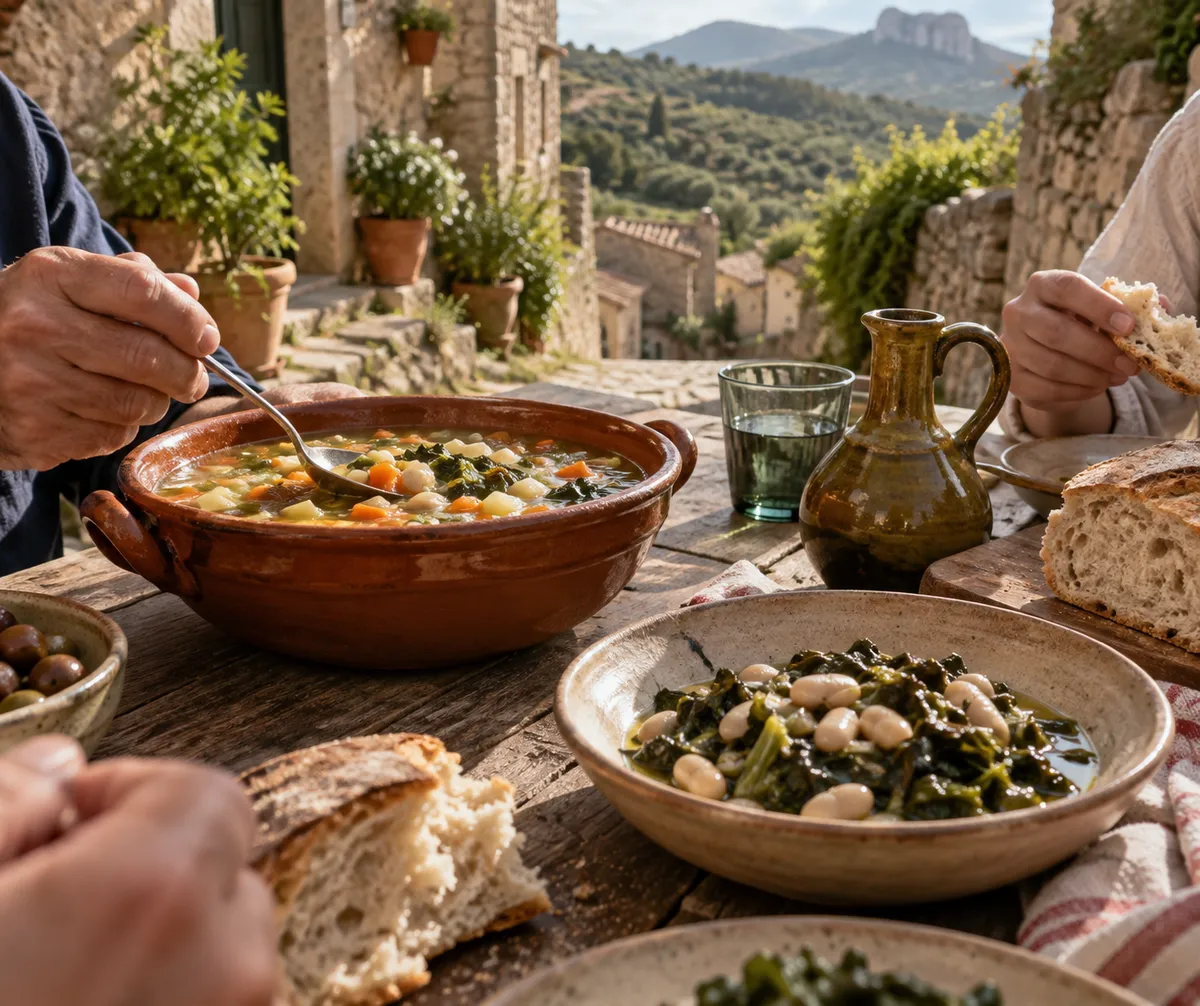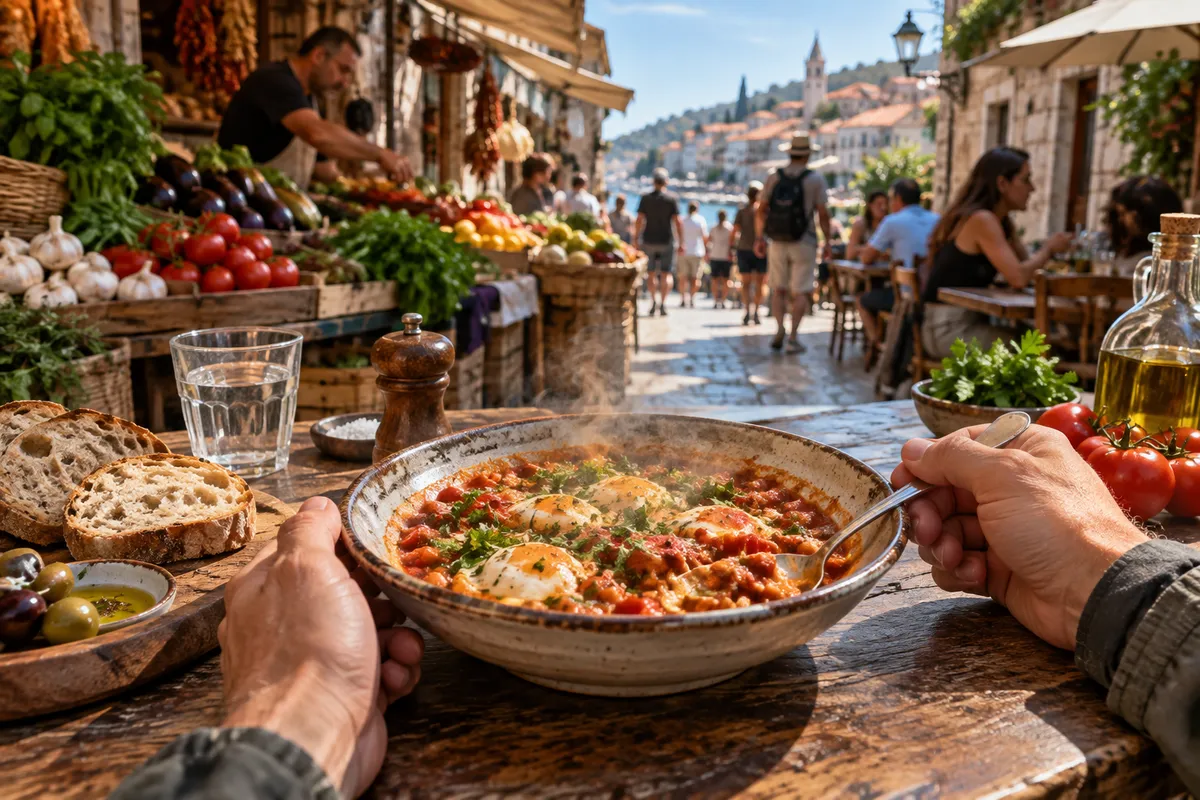
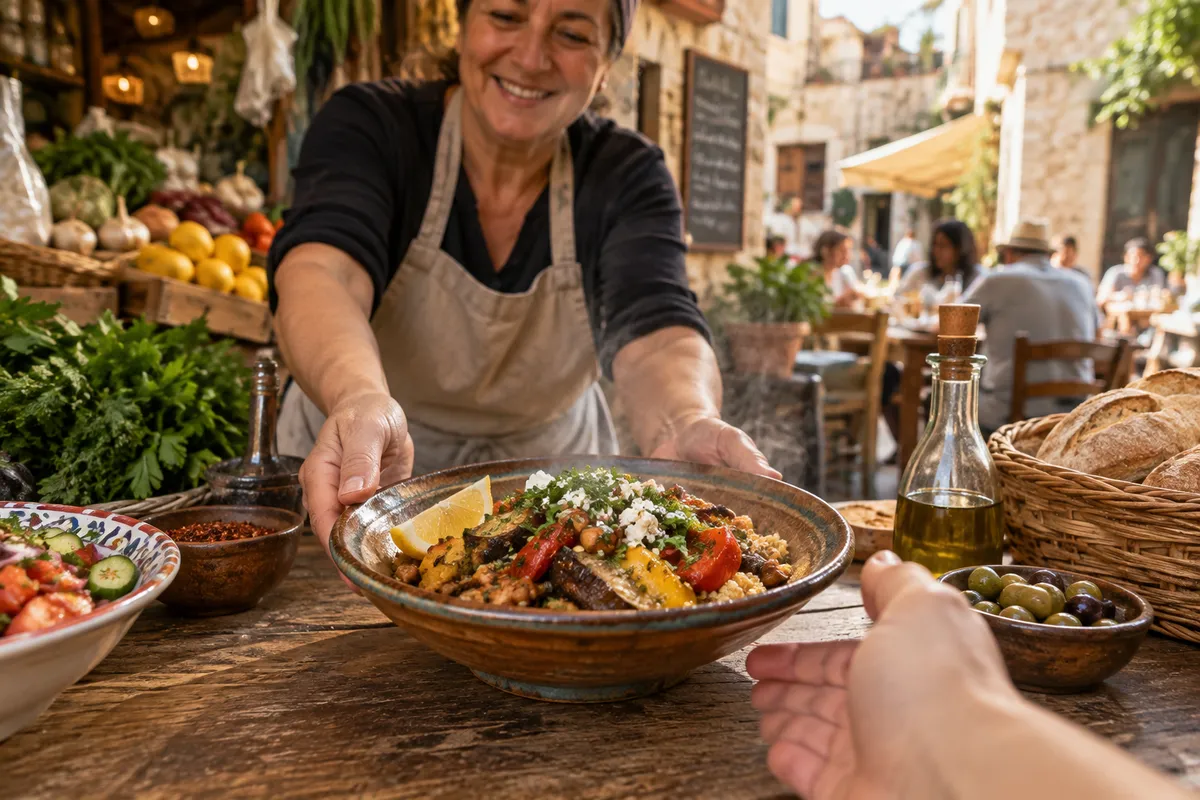
Eating locally can turn a trip from a list of sights into something you actually remember. Below are practical ways to find real local food wherever you go, and what each approach gives you beyond a good meal.
The idea comes from a piece by Much Better Adventures, which argues that local food is central to meaningful travel. Per that piece, food helps visitors connect with a destination's culture, people, history and sense of place. This guide turns that idea into steps you can use.
Why Food Is a Shortcut to a Place
A regional dish is rarely just a recipe. It reflects what grows nearby, what people have cooked for generations, and how they share a table. Much Better Adventures frames food as a gateway into local identity, which helps explain why travelers seeking authentic, experience-led trips over generic sightseeing keep returning to it.
There is a practical upside too. The piece links local eating to more sustainable tourism, because the money you spend goes to nearby cooks, growers and families rather than far-off chains.
Start at a Food Market
Markets are the easiest place to see a region's cooking laid out in front of you. Walk a full lap before you buy anything.
- Look at what's piled high. Whatever dominates the stalls is usually what locals are cooking now.
- Check the prepared-food counters. Street food and ready-to-eat specialties often sit alongside the produce.
- Ask what something is. Vendors can tell you how an ingredient is used, and that one question often leads to your best meal of the day.
- Buy small portions. Sampling three or four things beats committing to one.
Choose Family-Run Restaurants
Smaller, family-run places tend to cook regional dishes rather than a broad menu aimed at everyone. A few signals to look for:
- A short menu focused on regional dishes
- Specials that change with what's available
- A room that fills with local diners rather than only visitors
None of these is a guarantee, but together they improve your odds. When you order, ask the staff what they would eat or what the place is known for. That's a simple way to learn local dining customs, such as what is served together or at which time of day.
Learn a Dish Hands-On
Cooking classes and producer visits let you go one step deeper. Much Better Adventures points to these as ways food can transform a trip. Instead of just tasting a dish, you learn how it's made and who makes it.
When you're choosing one, look for:
- A class that starts with shopping or ingredients, not just cooking
- A small group, so you can ask questions
- A focus on a regional specialty rather than a generic menu
- A visit to a producer, such as a farm or workshop, if one is offered
Plan the Trip Around What You Want to Eat
You don't have to treat food as a side activity. Build the itinerary around it:
- Pick one signature dish per destination and research where it comes from.
- Schedule market time early, when stalls are usually at their busiest and best stocked.
- Leave gaps in your day so you can follow a recommendation or a smell.
- Book one hands-on experience per trip, whether a class or a producer visit.
A Simple Way to Bring It Home
The best souvenir from a food trip is a dish you can cook again. You don't need a formal recipe to start. After a market visit or class, note the three or four core ingredients, the main technique, and what it was served with. Then recreate a simplified version at home using the best ingredients you can find. It won't taste identical, since sense of place is part of the flavor, but it keeps the memory of the trip alive.
Eat in a Way That Supports the Place
Because local food ties into community, your choices matter. Favor independent restaurants, buy from market vendors and producers, and choose experiences run by local people. That's the sustainable-tourism payoff Much Better Adventures highlights: the same meal that connects you to a place also supports the people who keep its food traditions going.
Your Next Step
On your next trip, make your first stop a food market, and ask one vendor what they would cook tonight. Let that answer decide your next meal.