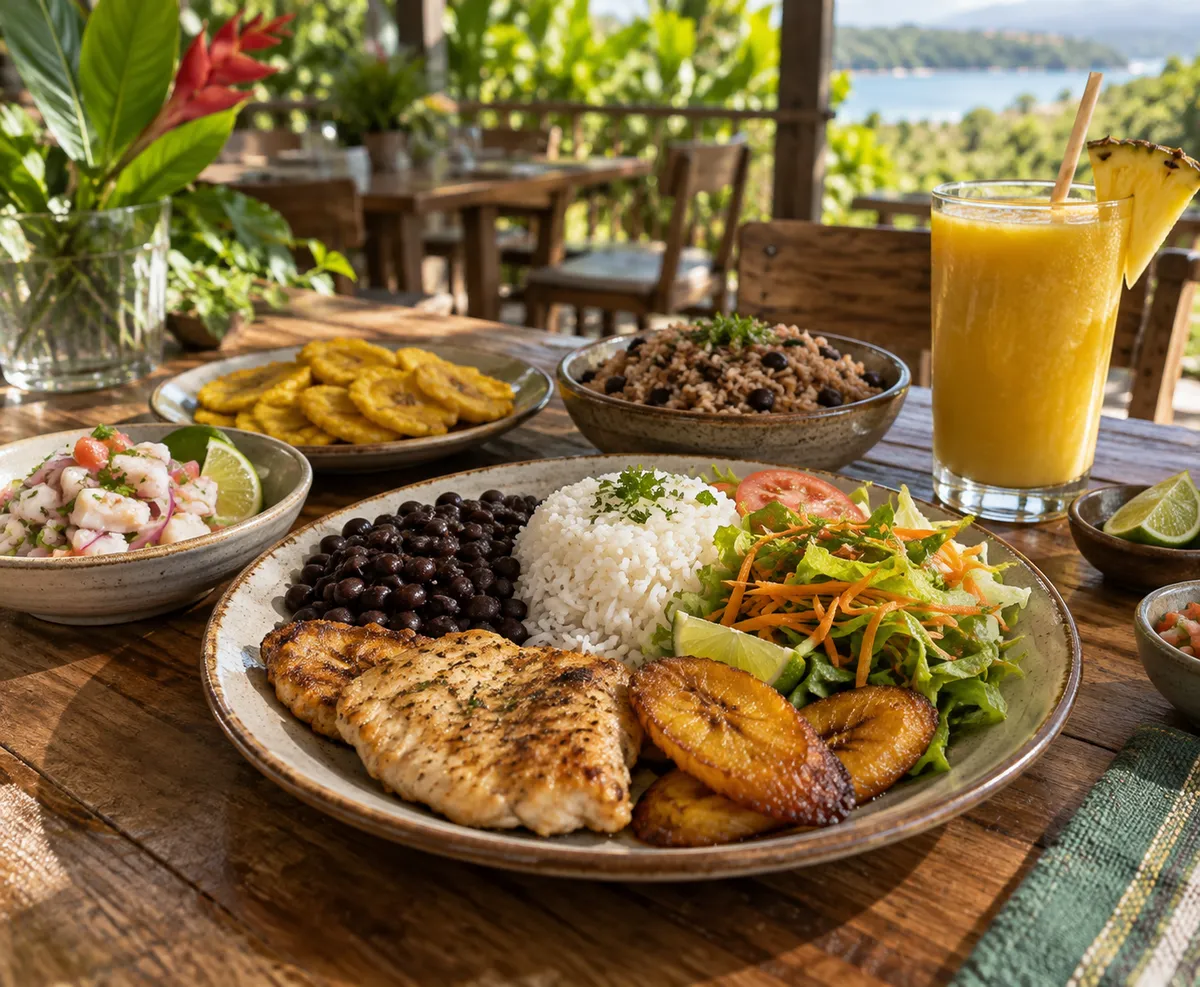
Afar recently rounded up the foods you have to eat in Costa Rica, and the list points to one idea: this is a cuisine built on fresh, local ingredients and kept simple on purpose. The outlet ties that to the country's biodiversity, its regional traditions, and a farm-to-table culture. The source material supports seven dishes in detail, so this guide covers those seven: what each one is, how it fits into a meal, and how to order with confidence.
You'll finish with a short list for your first few days, a sense of how coastal and everyday dishes differ, and a simple recipe to cook at home.
Start with the everyday plate: casado
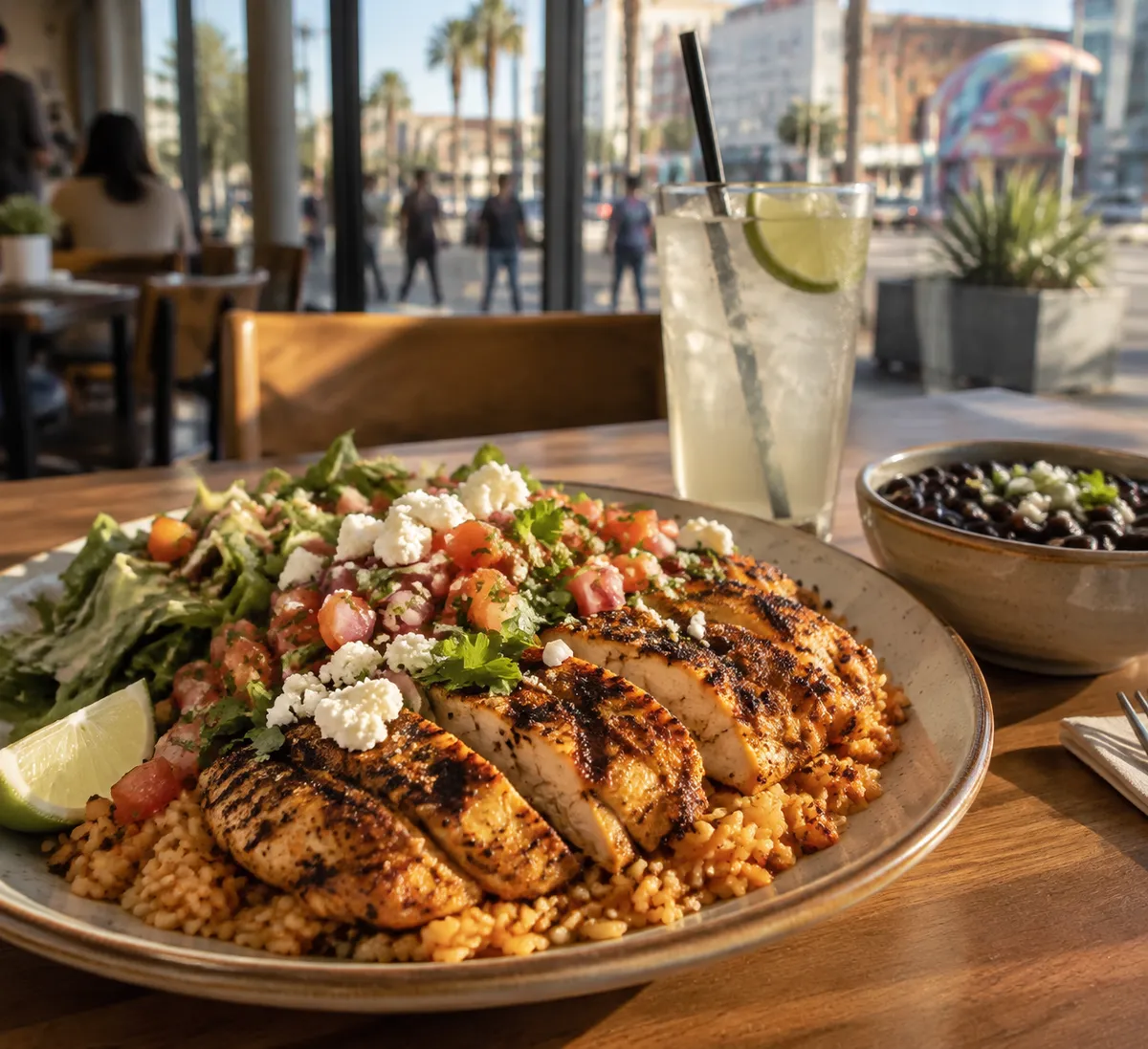
If you only learn one menu word, make it casado. It's one of the dishes Afar highlights, and it works as a complete meal on one plate. Expect it on menus at casual local restaurants, where it tends to be the easy, filling choice when you're not sure what to order.
How to order it: ask what proteins are available that day, then let the plate arrive as it comes. Treat it as your baseline for judging how a kitchen handles the basics.
Gallo pinto: the breakfast anchor
Gallo pinto, the country's rice-and-beans dish, is among the foods Afar says to eat. It's a natural first order because it shows up as a foundation of Costa Rican eating and pairs with almost anything.
Gallo pinto vs. Caribbean rice and beans
Afar lists rice and beans as a separate entry, tied to the Caribbean side of the country. The two share ingredients but come from different regional traditions. If you travel between coasts, order each one and compare. It's a quick, inexpensive way to taste how regional identity changes a familiar pairing.
Ceviche: seafood at its simplest
Afar puts seafood ceviche near the top of its list. The appeal is freshness: raw-style seafood served cold, where the quality of the catch does most of the work. This is a dish to eat near the coast, where the seafood story is strongest.
Tip: choose busy spots that clearly move a lot of product, and eat it soon after it's served.
Patacones: the fried snack to share
Patacones made the list as a fried snack. They suit sharing at the table or snacking while you wander. Order a plate for the group as a starter, then decide what else you're hungry for.
Heart of palm salad: the fresh counterpoint
After fried and starchy dishes, heart of palm salad adds a lighter note. It reflects the produce-driven side of Costa Rican cooking that Afar emphasizes. Pair it with a heavier main like casado to balance the meal.
Batidos: fruit smoothies, any time
Batidos are the fruit-packed drinks that Afar singles out. Because Costa Rica's biodiversity is central to the cuisine, the fruit selection is part of the fun. Ask what's in season, and try a flavor you don't see at home.
A simple first-weekend eating plan
- Breakfast: gallo pinto.
- Midday: casado at a casual local restaurant.
- Afternoon: a batido, plus patacones if you want a snack.
- Dinner on the coast: ceviche, with heart of palm salad alongside.
- If you reach the Caribbean side: order rice and beans.
This isn't a rigid itinerary, just a way to cover all seven without repeating yourself.
Recipe: easy gallo pinto at home
This is a general home-cooking approach inspired by the dish, not a traditional authority on proportions. Adjust to taste.
You'll need: cooked rice (day-old works well), cooked black beans, a little oil, chopped onion and sweet pepper, salt.
- Warm a little oil in a wide pan over medium heat.
- Cook the onion and pepper until soft, about 3 to 4 minutes.
- Add the beans with a splash of their cooking liquid and heat through.
- Stir in the rice, breaking up clumps, until everything is evenly coated and hot.
- Season with salt and serve for breakfast, ideally with eggs.
Why this cuisine rewards curiosity
Afar frames Costa Rican food as simple, fresh, and deeply tied to place. That means you don't need to hunt for fancy restaurants. Order the humble things, notice the ingredients, and compare how the same dish changes by region.
Your next step: pick two dishes from this list, one coastal and one everyday, and make them your first two orders.