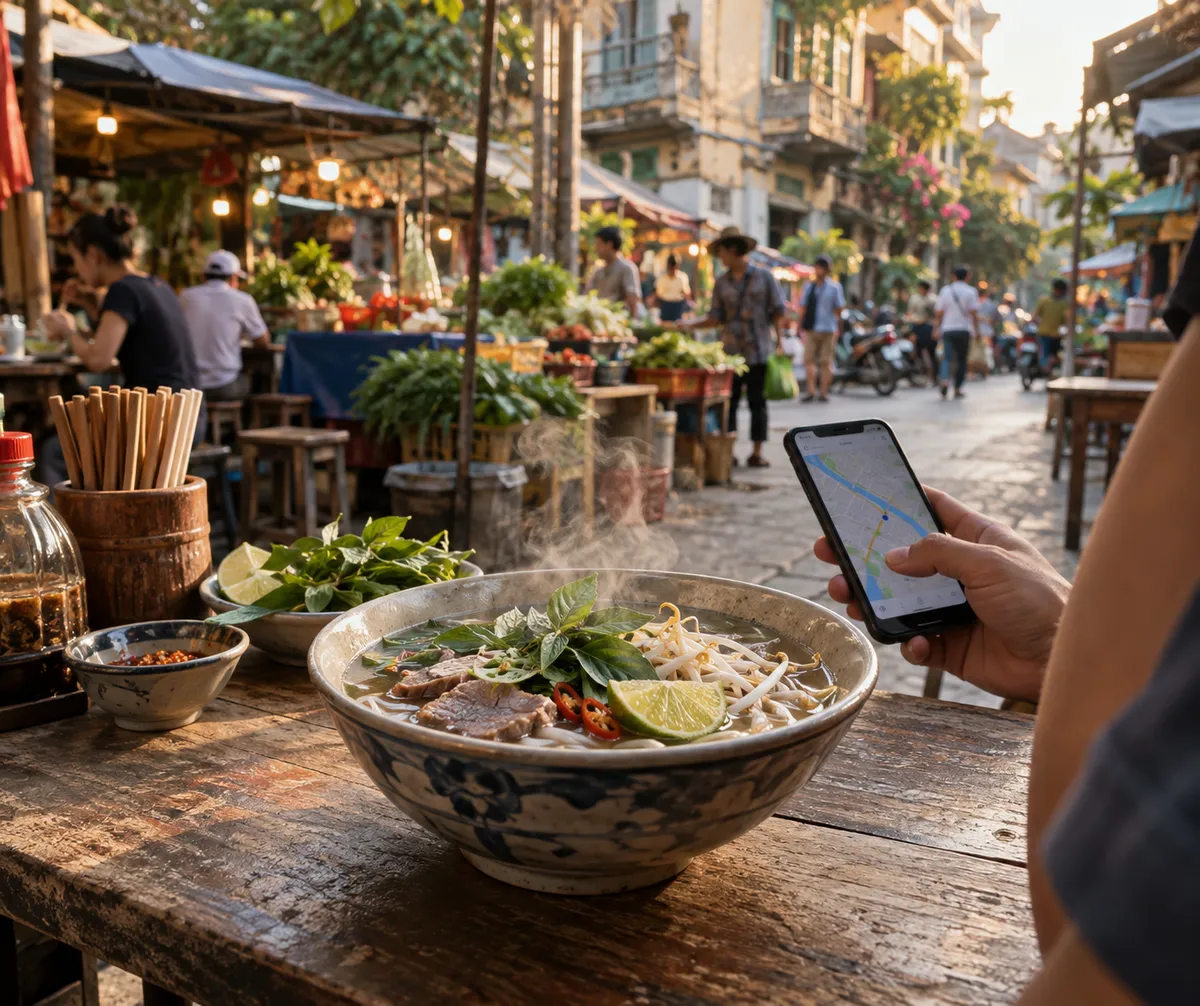
Food & Wine recently ran a piece on the author's No. 1 travel hack for finding the best food on the road. The core idea, per the outlet, is that memorable meals usually come from knowing where and how to look beyond the obvious tourist recommendations. I can't tell you the exact hack the author uses, since that detail isn't something I can verify here. What I can do is give you a practical, repeatable scouting method built on that same principle, so your next trip has fewer forgettable meals.
By the end, you'll have a five-step routine you can run in any city in under an hour before you land.
Why Generic "Best Restaurant" Lists Let You Down
Food-driven travel is popular, and travelers increasingly want authentic, local experiences rather than one-size-fits-all rankings. Trips are also getting more expensive, so every meal needs to earn its place in the budget.
The problem with a generic list is that it ranks places for everyone, which tends to favor the famous over the local. The fix is to stop asking "what is best?" and start asking "what do people here actually eat, and where?"
Step 1: Learn the Local Dish Before You Search for a Restaurant
Start with the dish, not the venue. Spend ten minutes finding out what the city or region is known for: a signature stew, a breakfast pastry, a street snack. Once you know the name of the dish, your searches get sharper.
Compare these two searches:
- "best restaurants in [city]"
- "[local dish name] [neighborhood]"
The second pulls up specialists. A place that has made one thing for years usually beats a menu that tries to cover everything.
Step 2: Use Maps as a Scouting Tool
A map app is more useful as a pattern-finder than as a ranking engine. Try these habits:
- Search by dish, then zoom out. Look for clusters of places serving the same thing away from major landmarks.
- Read the reviews written in the local language. Run them through a translation tool if needed. Reviews from residents tend to describe what to order, not just the view.
- Save everything to a list. Pin five or six candidates per neighborhood so you can pick whatever is close when hunger hits.
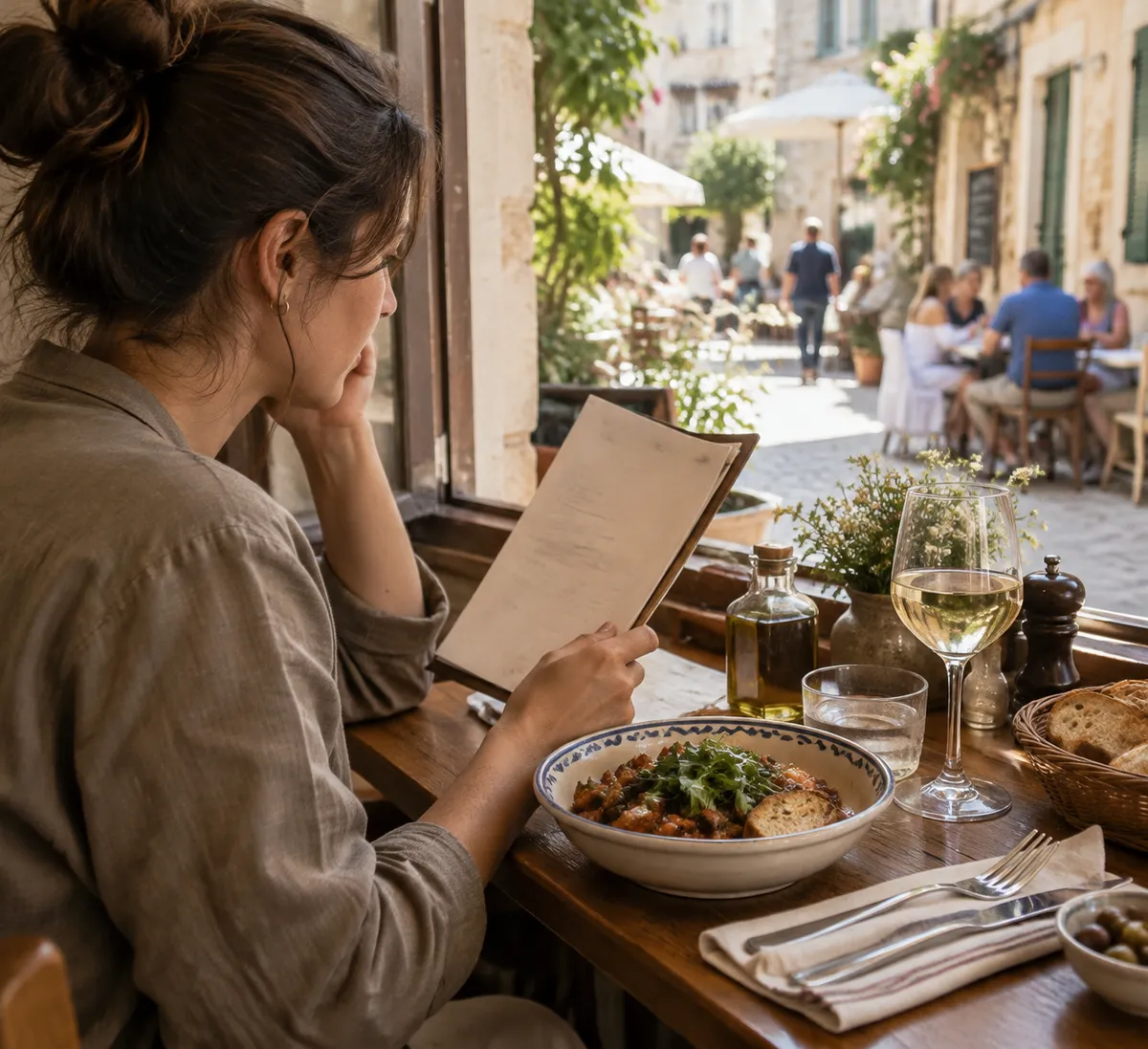
- Check photos, not just stars. Look for plain plates, busy counters, and short menus.
These are general scouting habits, not a guarantee, so treat them as a way to build a shortlist rather than a verdict.
Step 3: Spot the Tourist Trap Red Flags
No single sign is proof, but several together should make you pause:
- Menus with photos in many languages, especially when they cover many cuisines at once.
- Hosts calling you in from the sidewalk.
- Prime spots right beside major sights, with a huge menu and no clear specialty.
- Nothing on the menu that sounds specific to the place.
And the green flags are the mirror image: a short menu, a handwritten board, a line of regulars, and a focus on one or two dishes.
Step 4: Ask Locals, and Ask Smartly
Asking "where should I eat?" gets you the answer people give visitors. Be more specific, and you'll get a more honest reply. A few scripts to try:
- "Where do you go for [local dish] on a normal weekday?"
- "Where would you take a relative who's visiting?"
- "What's a place you'd skip, even though everyone recommends it?"
- "Where do you eat breakfast near here?"
Good people to ask include market vendors, hotel or guesthouse hosts, bakery staff, and anyone you're already buying something from. Keep it friendly and short, and write the name down on the spot.
Step 5: Build a One-Day Food Itinerary
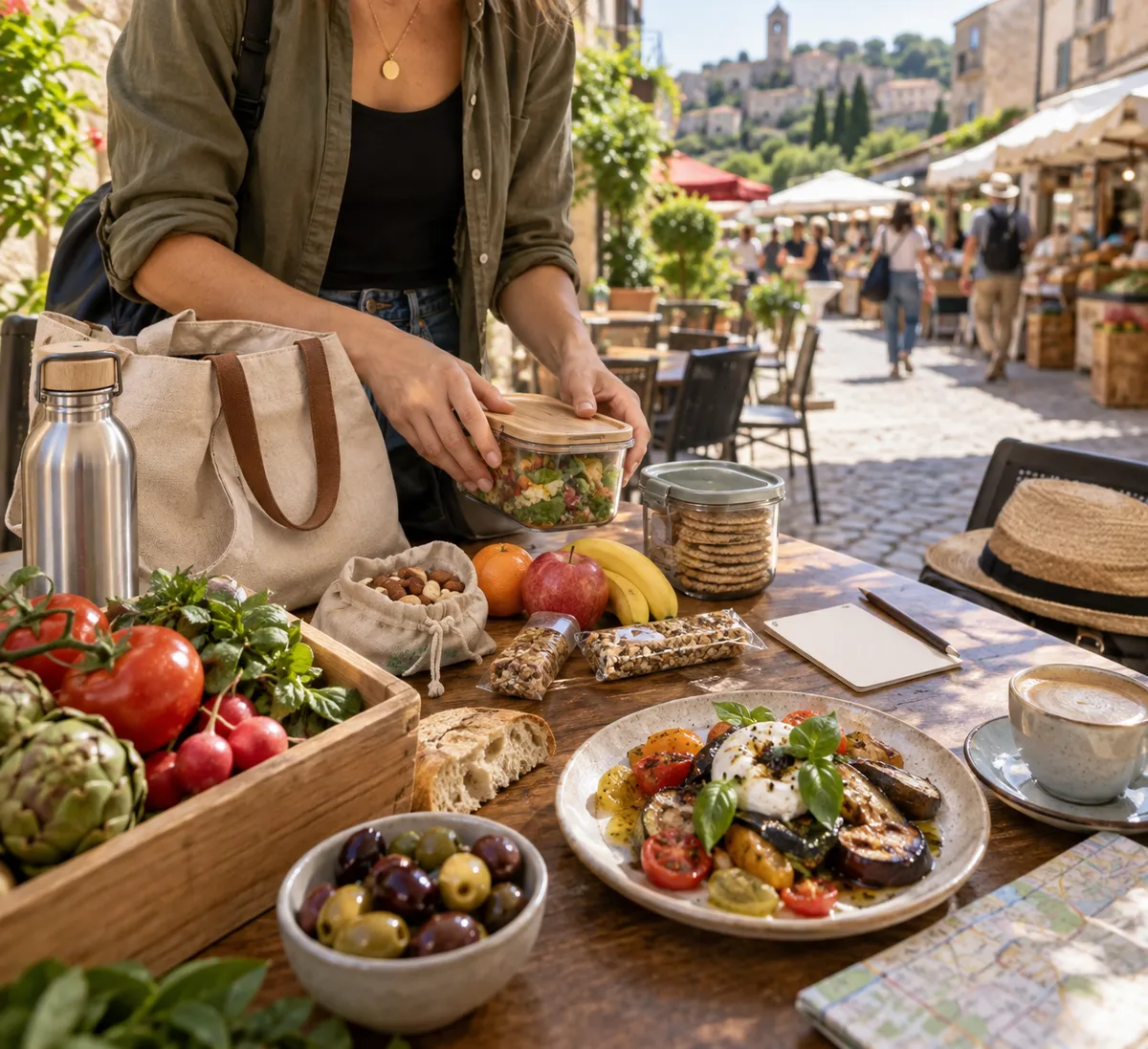
A loose structure keeps you from wandering hungry into the nearest mediocre option. Here's a template you can adapt to any destination:
- Morning: A local breakfast spot or bakery from your saved list.
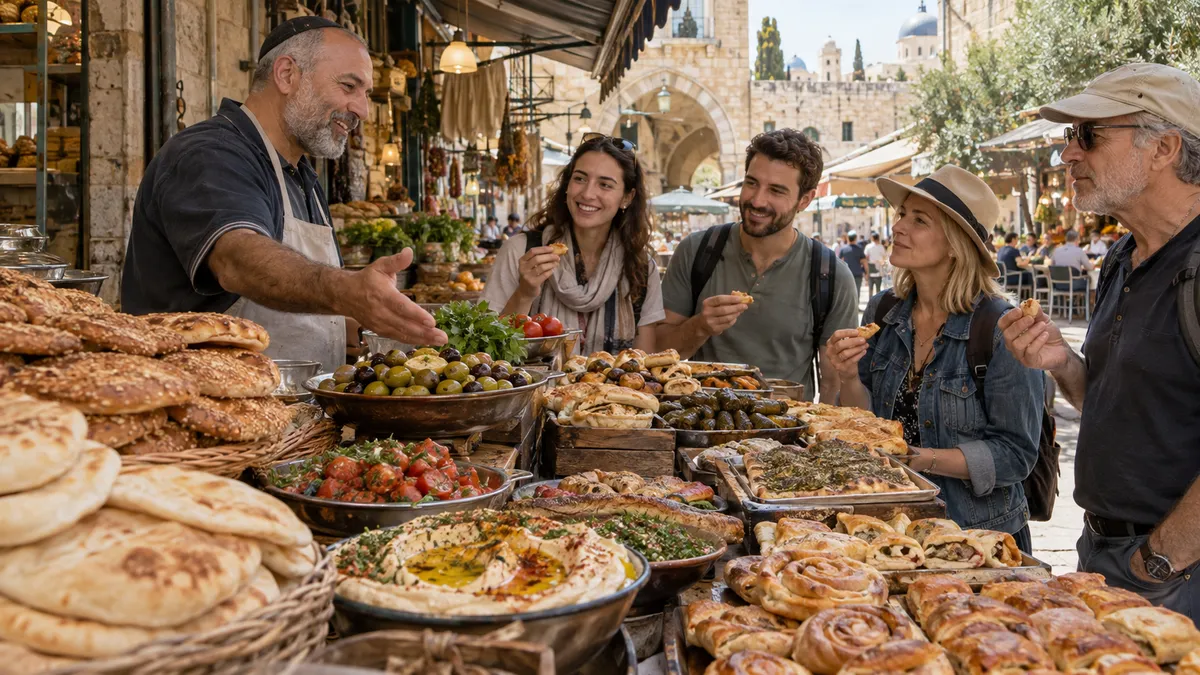
- Midday: A food market or street-food area. Markets let you sample several regional specialties in one stop, which suits a tight budget.
- Afternoon: A snack or a coffee and something sweet, within walking distance of what you're already seeing.
- Evening: One sit-down meal built around the signature dish you researched in step 1.
Keep a backup for each slot, since lines and closing days can derail a plan.
A Simple Recipe Idea to Practice the Mindset
Before you go, try cooking one dish from your destination at home. It teaches you the flavors and vocabulary, so menus make more sense when you arrive. A basic, flexible starting point is a simple tomato-and-garlic sauce, a base found in many regional cuisines:
- Warm 3 tablespoons of olive oil over medium-low heat.
- Add 3 sliced garlic cloves and cook for about a minute, until fragrant but not browned.
- Add a 400 g (14 oz) can of whole tomatoes, crushing them by hand.
- Season with salt and simmer for 15 to 20 minutes, until thickened.
- Serve over pasta, with bread, or alongside eggs.
Then look up how the destination you're visiting would change it: different herbs, spices, or a different base entirely.
Your Next Move
Before your next trip, pick one local dish and run your first search for that dish instead of for "best restaurants." Everything else in this method grows from that one change.