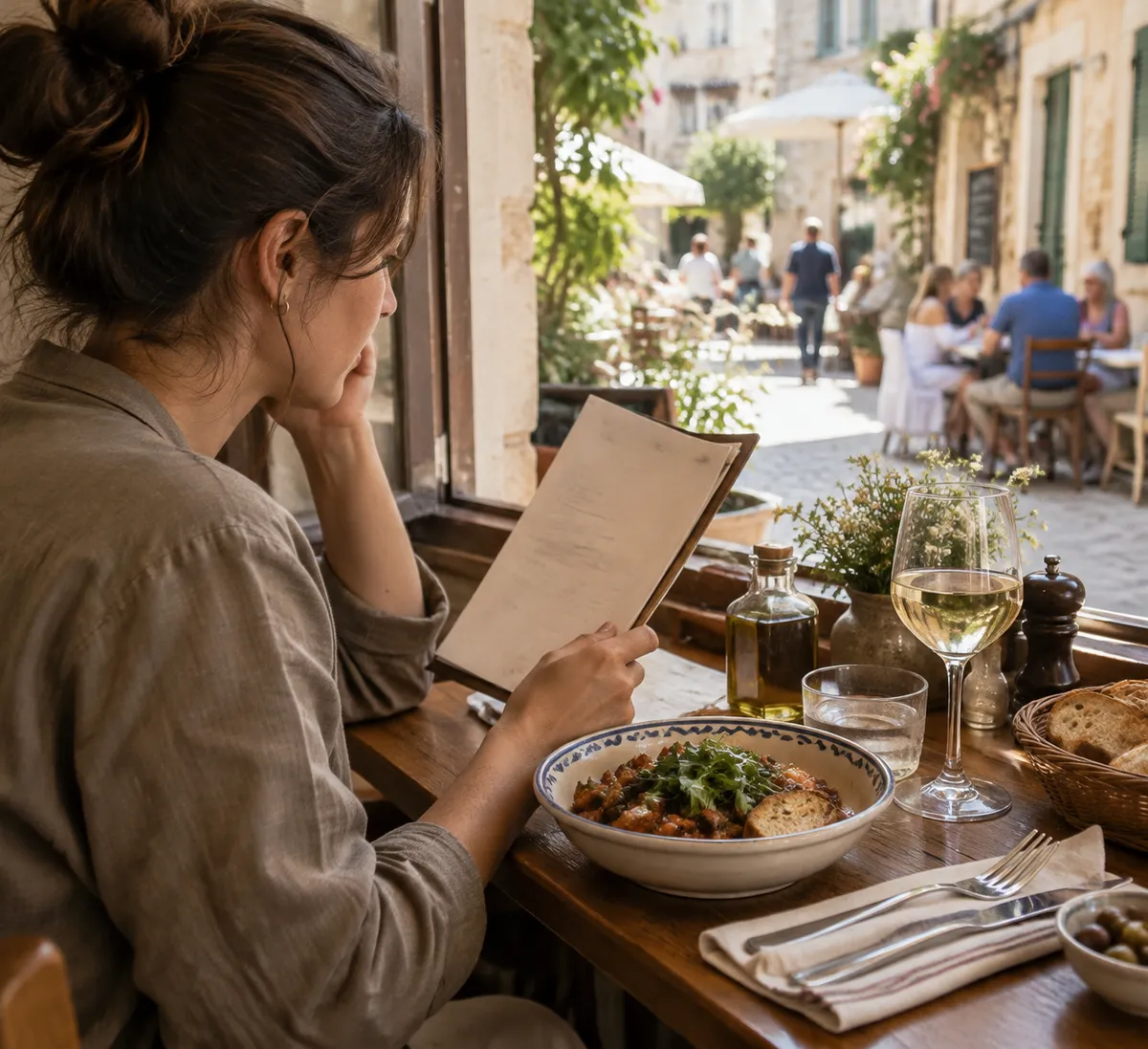
Rick Steves' approach to eating well in Europe comes down to one idea: avoid restaurants built for tourists and look for places that cater to locals. According to Food & Wine, the menu itself is often the giveaway. Its design, language, and size can tell you whether a place offers authentic, worthwhile food before you ever pull out a chair.
This guide turns that idea into a quick check you can run on any restaurant doorway, in any European city. It's a read-the-menu method, not a list of specific restaurants, so it works in crowded destinations where tourist-focused spots tend to dominate.
The Core Rule: Eat Where the Locals Eat
The principle Food & Wine reports is simple. Tourist-trap restaurants aim their menus at passing visitors. Local restaurants aim theirs at neighbors who come back week after week. The second kind has a reason to be good, because repeat customers notice when it isn't.
The menu is the easiest evidence you can gather, because it sits right outside the door and costs you nothing to read.
Check the Design
Design is the first signal. Per the Food & Wine piece, how a menu looks can reveal whether a restaurant is courting tourists or locals. Here's how to use that without overreading it:
- Glossy, photo-heavy menus are built to sell to people who can't read the language. Treat them as a prompt to look closer, not as proof.
- Plain, simple menus often suggest a place that doesn't need to persuade strangers.
- Menus on a sign pulled out to the sidewalk are meant to catch passersby. Compare that with how the place presents itself once you're inside.
This is a judgment call, so weigh it alongside the other two clues below rather than relying on it alone.
Check the Language
Language is the second clue. A menu printed in many languages is aimed at visitors. A menu in the local language suggests the audience is local.
That doesn't mean you should avoid a menu with translations. A small English note beside local dishes can simply be helpful. The red flag is a menu that exists mainly in tourist languages, with the local one an afterthought.
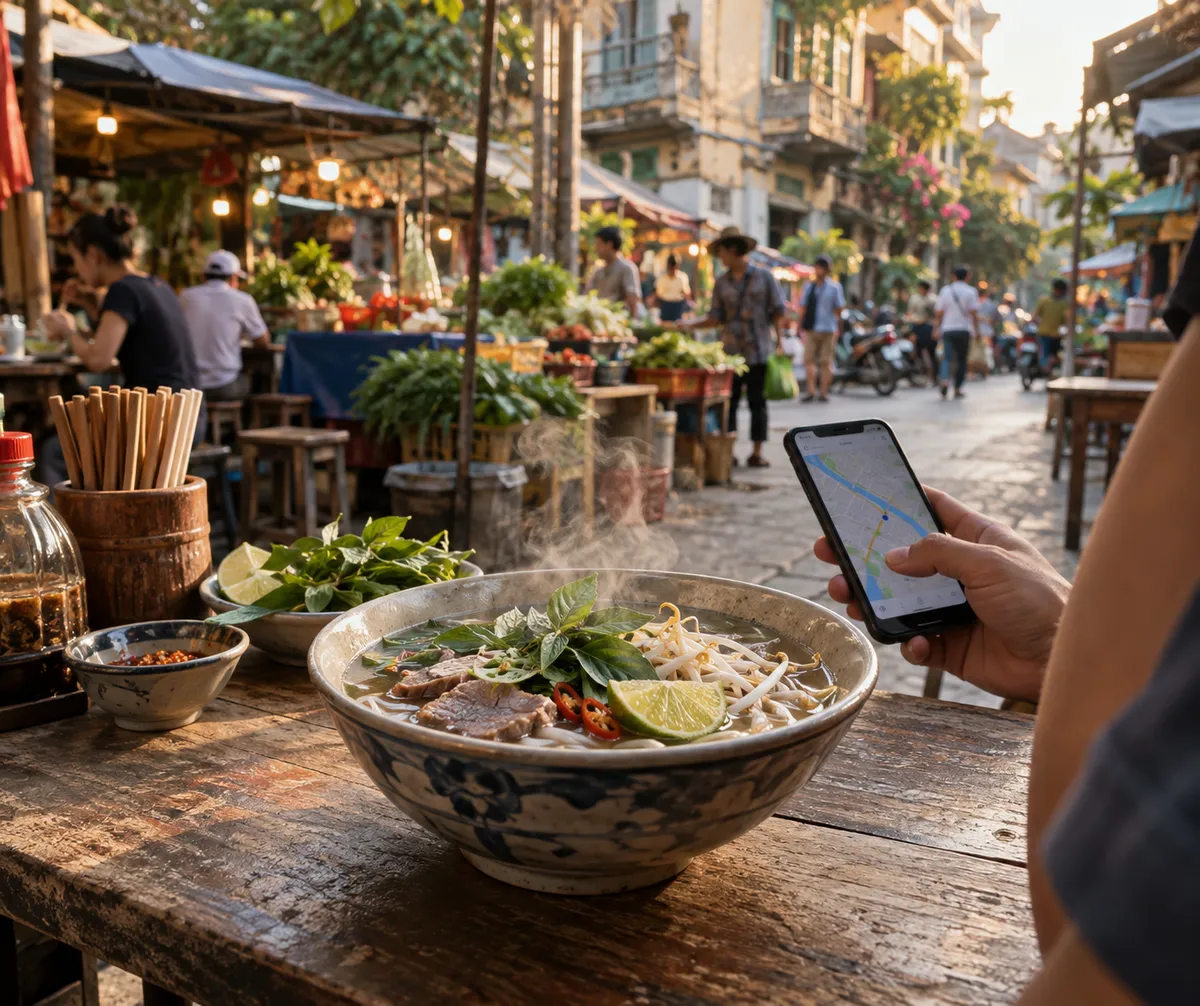
A practical step: if the menu is only in the local language, use a translation app on your phone to read it. You'll learn more about what the kitchen cooks than you would from a translated version designed to appeal to everyone.
Check the Size
Size is the third clue. Food & Wine points to menu size as a sign of authenticity. As a rule of thumb, a very long menu that tries to cover pizza, pasta, paella, burgers, and schnitzel under one roof is hard for any kitchen to do well. A shorter menu usually means the cooks focus on what they know.
That's our reading of the logic, not a claim from the article. But the pattern is easy to test: a short list built around regional dishes tends to be a better sign than a sprawling one covering the whole continent.
A 30-Second Doorway Check
Before you sit down, run through these three questions:
- Does the design look aimed at strangers? Heavy on photos and flashy presentation? Be skeptical.
- Is the local language front and center? Or is it buried beneath several translations?
- Is the menu focused? Or does it try to be everything?
Two or three red flags is your cue to keep walking. Zero or one is a good reason to stay.
Use It to Eat the Region, Not Just Eat
The bigger payoff is flavor. A menu written for locals tends to showcase regional specialties, local ingredients, and seasonal dishes, which is the reason many of us travel for food in the first place. Look for the dishes you can't easily find at home, and ask what the kitchen is known for.
If you're ordering from a local-language menu, a few habits help:
- Look up unfamiliar dish names before you go in, or use a translation app at the table.
- Choose a regional specialty over a dish you could get anywhere.
- Notice what the diners around you are eating, and ask your server about it.
Don't Treat It as an Absolute
This is a guideline, not a guarantee. Some restaurants with multilingual menus serve excellent food, and some plain-looking places are mediocre. Treat the menu as one piece of evidence. Combine it with a look at who is actually sitting at the tables and whether the room feels like a neighborhood spot.
The Takeaway
Next time you're hungry in a busy European city, stop at the door and read the menu for ten seconds: check the design, the language, and the size. Then walk toward the place that seems to be talking to locals, not to you.