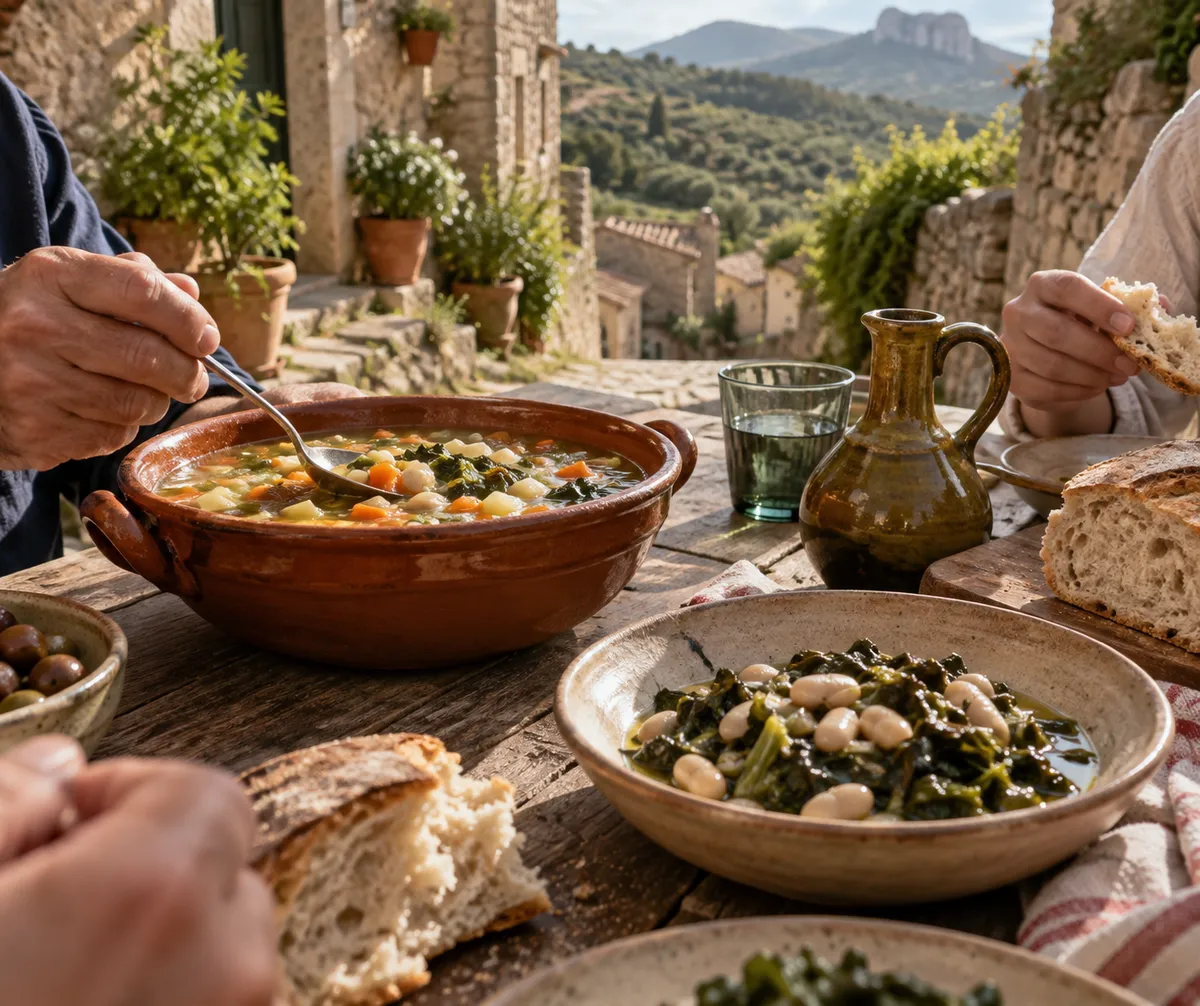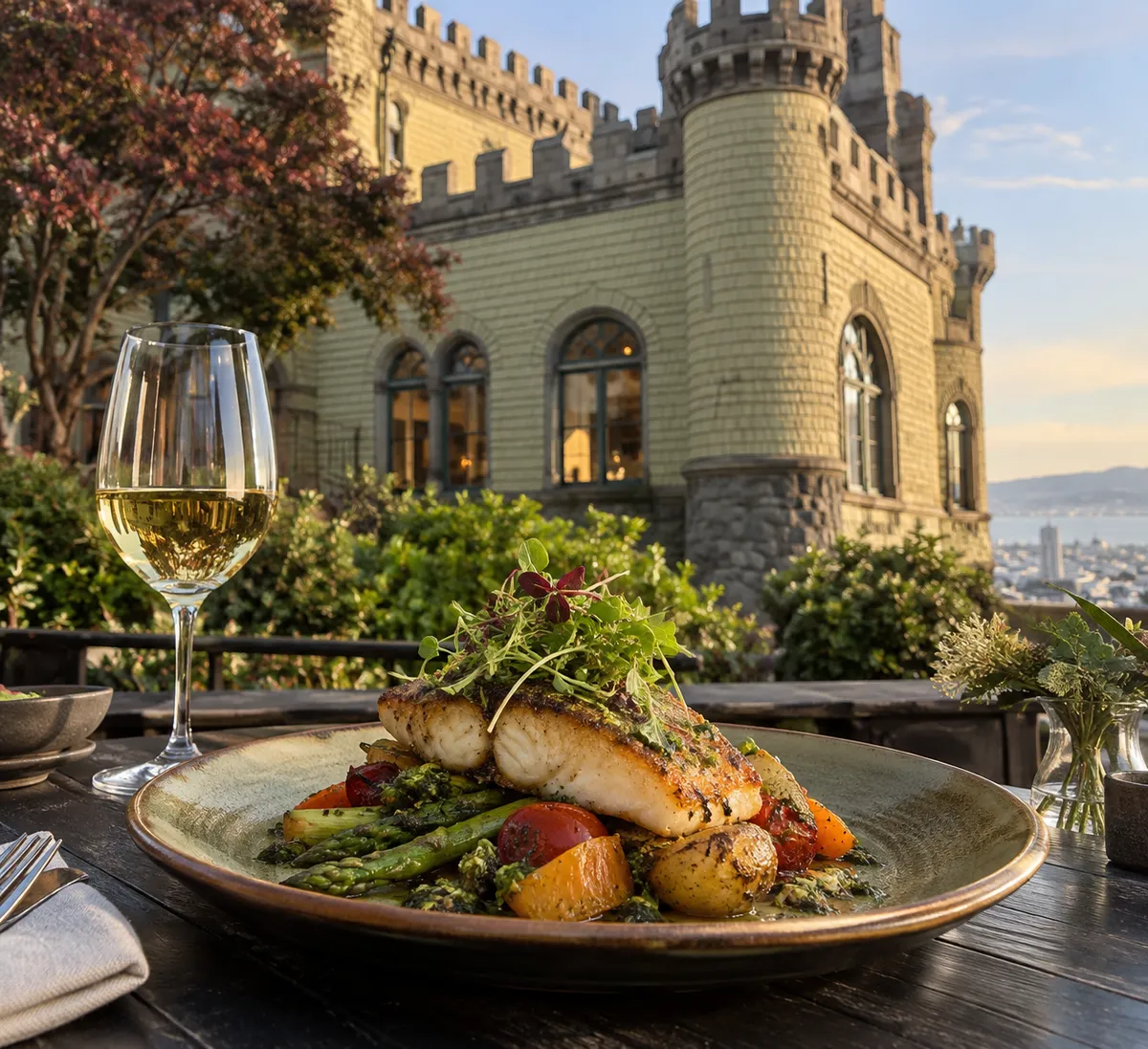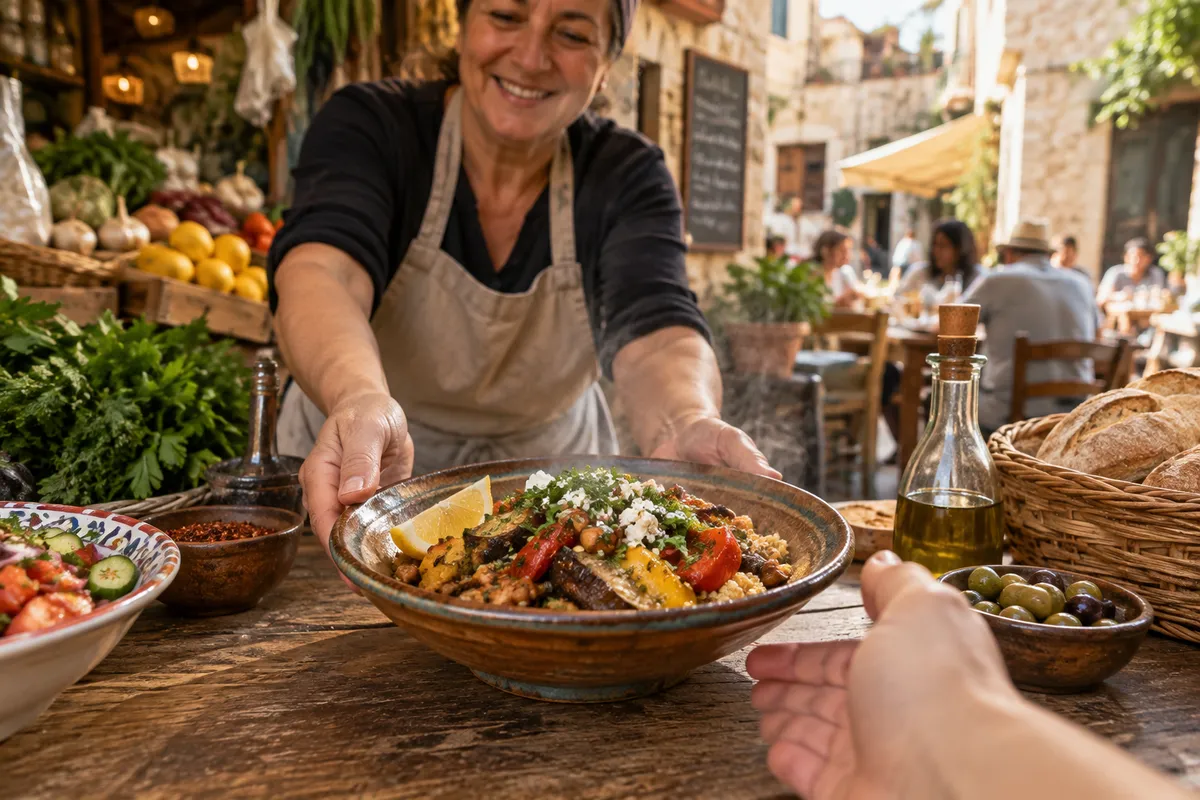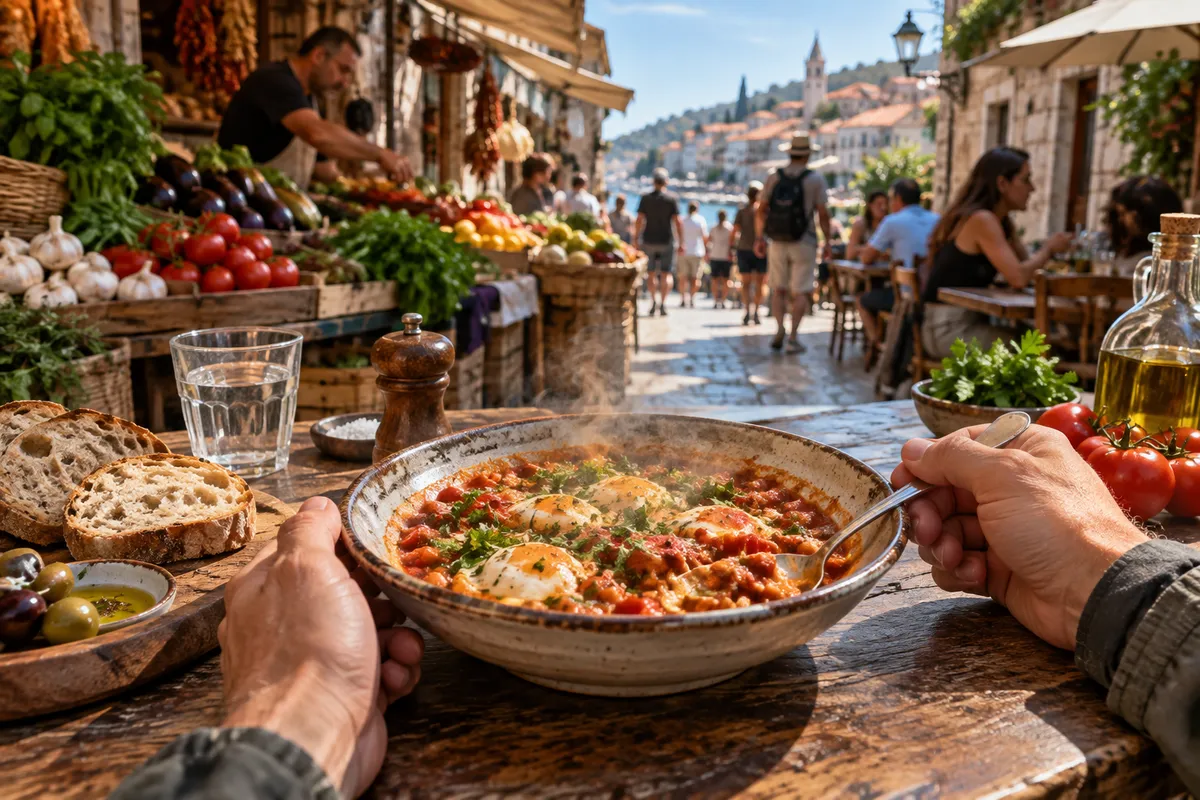
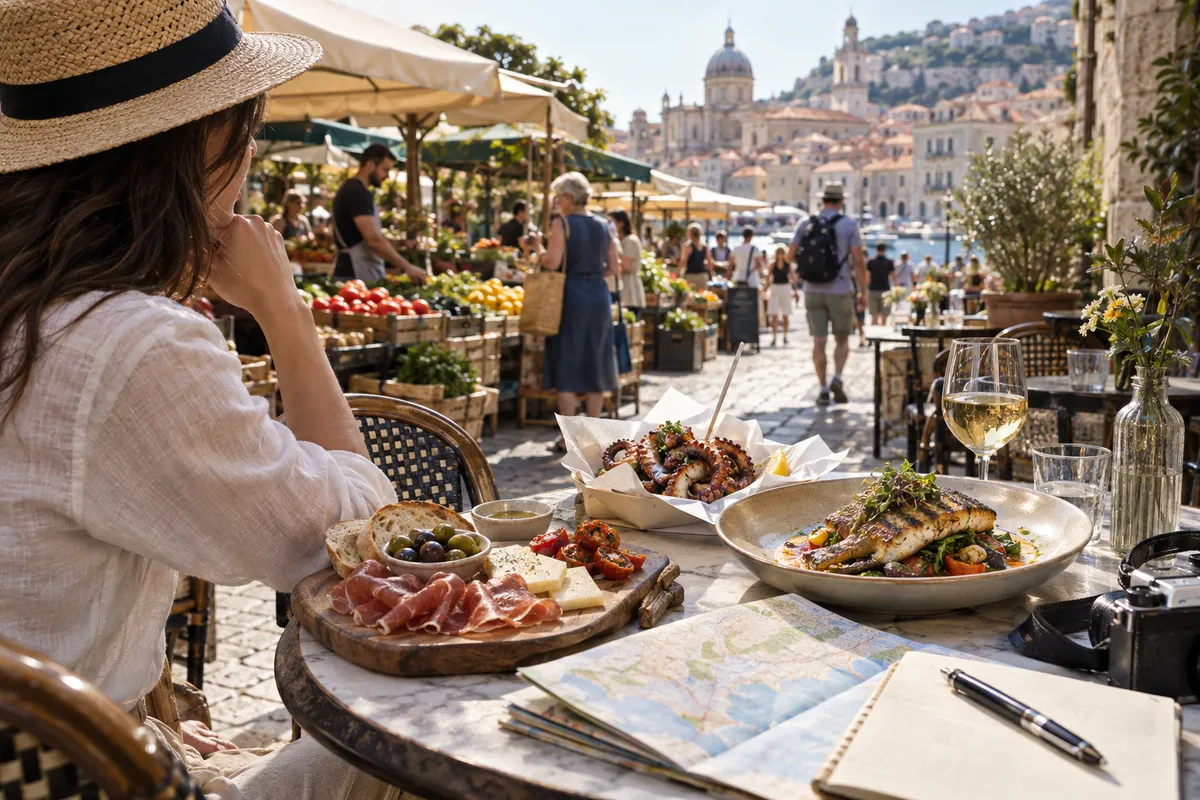
Culinary tourism is on the rise, according to a recent Business Times report: more travellers are choosing destinations based on food experiences, local cuisine, restaurants, markets, and dining culture. That shift has a practical upside for you. If food is the reason you're going, you can plan the whole trip around it, and the trip tends to feel more immersive than a checklist of landmarks.
This guide walks you through how to do that: pick a place by its culinary identity, build a day around eating, and balance casual and formal meals. It closes with a simple recipe idea to try before you leave.
Start With a Food Question, Not a Place
Most trips begin with a destination and add meals later. Flip it. Start with something you want to taste or understand, then find the place that answers it.
A few ways to frame that question:
- A dish: you want to understand one regional specialty, from the simple home version to the restaurant version.
- A food culture: you're curious how a place eats, such as what a typical market morning or long weekend lunch looks like.
- An ingredient: you want to see where something comes from and how locals use it.
Once you have your question, you have a filter. Destinations whose cuisine clearly answers it go on the shortlist. The rest wait for another trip.
Look for Culinary Identity
The strongest food destinations tend to have a recognizable culinary identity: dishes, markets, and dining customs that feel tied to the place rather than generic. When researching, check for these signs:
- Specialties that are named after, or closely tied to, the region
- Active food markets where locals actually shop
- Dining customs you can observe, like when meals happen and how they're shared
- A mix of casual and sit-down options
If a place checks most of these, you'll likely have enough to fill several days without repeating yourself.
Build the Itinerary Around Meals
Treat meals as the anchors of your day and let sightseeing fill the gaps, not the other way around.
Morning: a market
Markets are the fastest way to see what a region actually eats. Walk through once without buying anything, noting what's piled high and what's in season. Then circle back and taste. Ask vendors what they'd eat today; most are happy to point you toward a specialty.
Midday: your main meal
In many food cultures, lunch is the big meal, and it's often better value than dinner. Check local dining customs before you go so you arrive when kitchens are actually serving.
Afternoon: walk it off
Leave unscheduled time. A food-first trip works best when you can wander toward a smell or a queue.
Evening: one planned meal, one flexible one
Book the restaurant you've been looking forward to, and keep another night open for whatever you've discovered along the way.
Street Food vs. Fine Dining: You Don't Have to Choose
They offer different things, and a good itinerary includes both.
Street food shows you everyday flavors. It's quick, usually inexpensive, and lets you sample many dishes in a single outing. It's also how you learn what locals reach for on a normal day.
Fine dining shows you how a region's cuisine is interpreted by chefs, often with more context about ingredients and technique. Because tables can be limited, book ahead.
A simple ratio works for most trips: aim for mostly casual eating with one or two special meals. That keeps your budget and appetite in balance and gives you a fuller picture of the cuisine.
Practical Planning Checklist
- Pick your food question (a dish, a culture, or an ingredient).
- Shortlist two or three destinations with clear culinary identity.
- Choose your base near a market so food is a short walk away.
- Reserve only your must-do meals. Leave the rest open.
- Note dining hours and customs so you don't miss service windows.
- Pace yourself. Share dishes, and don't stack three big meals in a row.
A Starter Recipe: Tomato, Olive Oil, and Bread Plate
Before you go, practice the habit that makes food travel rewarding: tasting simple things closely. This no-cook plate is inspired by the market-driven eating common across many food regions, and it's a good way to notice how much quality ingredients matter.
You'll need: 2 ripe tomatoes, good olive oil, flaky salt, a few slices of crusty bread, and any fresh herb you have.
- Slice the tomatoes and lay them on a plate.
- Sprinkle with salt and let them sit for five minutes to draw out the juices.
- Drizzle with olive oil and scatter the herb on top.
- Toast the bread and use it to soak up the juices.
Taste it once with plain tomatoes, then with the best olive oil you can find. The difference is the same lesson a market teaches you on the road.
Why This Approach Works
The Business Times frames the trend as travellers seeking more immersive, authentic experiences beyond sightseeing. It also notes that destinations, chefs, and hospitality brands are increasingly turning cuisine into a key tourism draw. For you, that means more places are making their food easier to find and understand. Your job is to arrive curious and leave room in the schedule.
Pick one dish you want to understand, find the place that cooks it best, and book the first market morning before anything else.