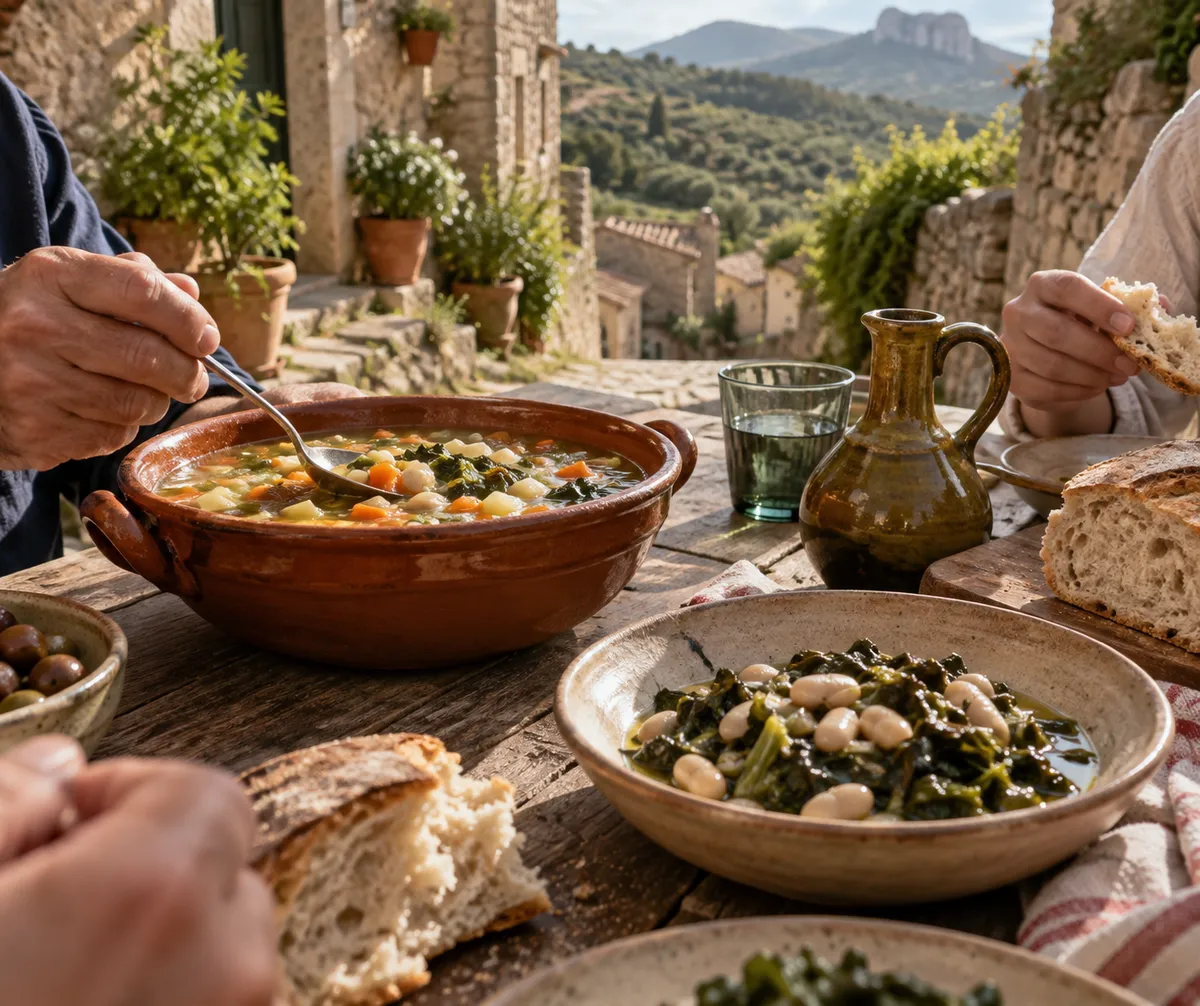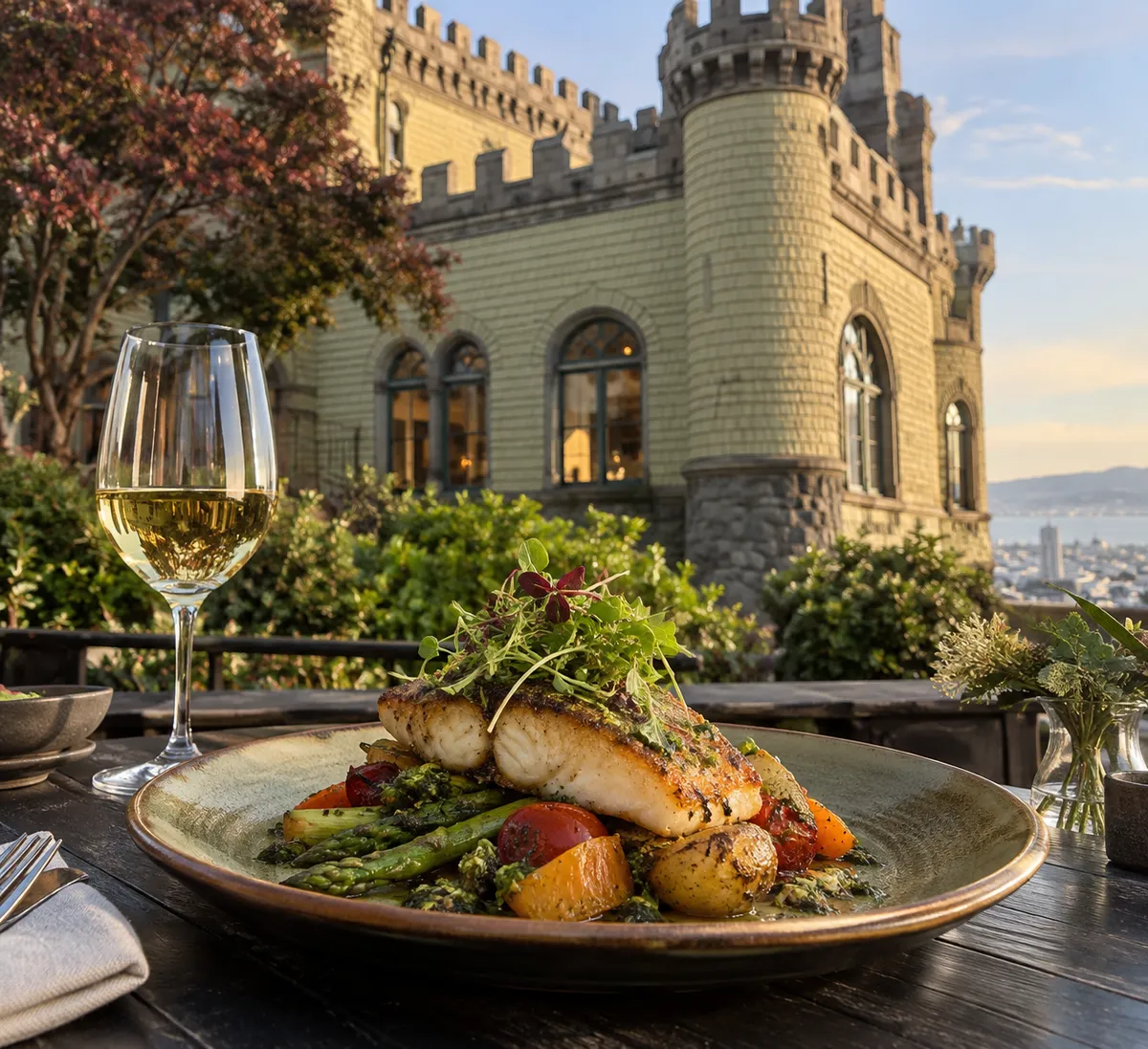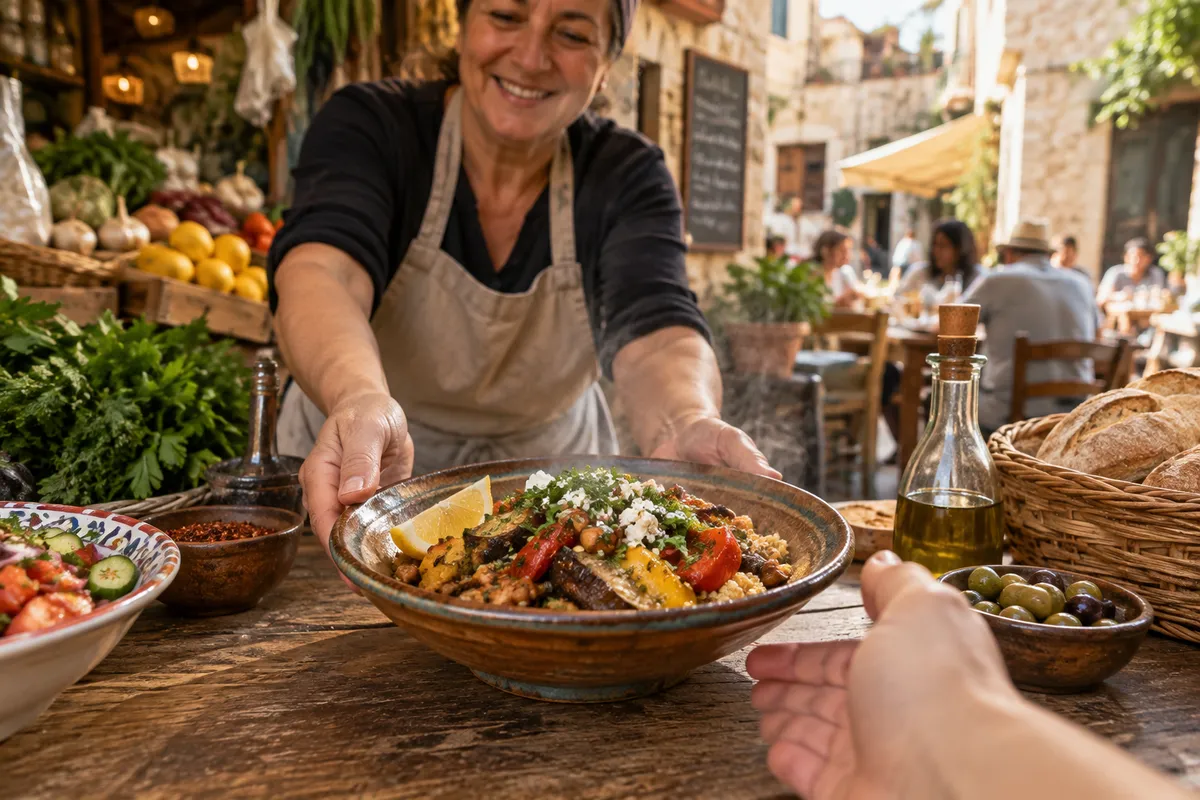
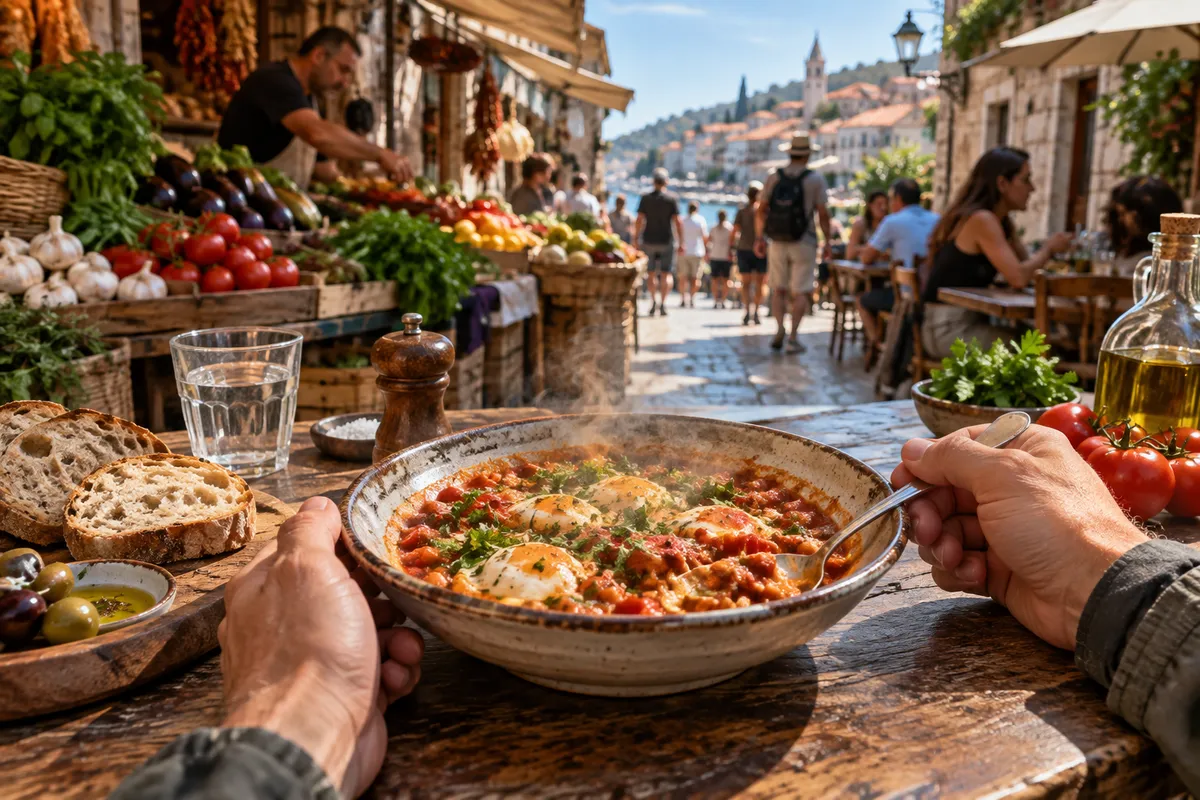
Culinary travel is getting attention again. Travel Weekly recently ran a feature on how meals become lasting trip memories, framing food as a central way travelers connect with a destination. The idea fits a wider shift toward immersive, experience-led trips rather than passive sightseeing. Food is an easy way in: everyone eats, and every meal says something about a place.
This guide turns that idea into a plan. By the end, you'll know how to build a food-first itinerary, find local dining that feels real, and make a meal stick in your memory.
Start With the Dish, Not the Landmark
Most itineraries begin with sights and squeeze meals in around them. Flip that. Pick the destination, then pick the regional specialty you most want to try, and let it shape your days.
- Name one signature dish or ingredient for the place. If you're headed to Lisbon, that might mean researching its pastries and seafood. If it's Sicily, look into its street food and market culture.
- Learn what it is and why it's local. A dish tied to a coast, a harvest, or a holiday tells you about the place before you arrive.
- Anchor each day around one meal worth planning for. Everything else can flex around it.
Build Your Days Around Four Food Experiences
The Travel Weekly piece points to meals, markets, chefs, cooking classes, and regional specialties as the building blocks of a food-focused trip. You don't need all of them every day. A good rhythm mixes a few.
Markets
A food market is the fastest overview of what a region grows, catches, and cooks. Go early in your trip if you can, so you recognize ingredients when they show up on menus later. Walk a full lap before buying anything, then graze: a few small tastes beat one big plate.
Street food
Street food is often where local specialties are at their most direct. Look for stalls that sell one or two things, and notice where locals stop. Small portions let you try more in a day.
Cooking classes
A class turns a flavor you liked into a skill you keep. Choose one focused on regional dishes rather than a generic menu, and ask beforehand what you'll cook so it matches what you came to taste.
Chef-led or sit-down meals
Save one or two proper meals per trip for restaurants that cook the region's food thoughtfully. Book these ahead; leave the rest of your meals loose.
How to Find Authentic Local Dining
"Authentic" is slippery, but a few habits help.
- Eat where the menu is short. A focused menu often signals a kitchen that does a few things well.
- Ask people who live there. A guesthouse host, market vendor, or cooking-class instructor will usually give better tips than a generic list.
- Follow the local schedule. Eat at the hours residents eat, and you'll end up where they do.
- Order the regional thing. If a dish is named after the area, that's a good clue it's worth trying.
- Learn a few customs. Whether it's how a meal is paced or how you order, small bits of etiquette make the experience smoother and more respectful.
Why Meals Stick in Memory
The Travel Weekly feature positions food as a gateway into local culture, identity, and storytelling. That makes sense: a meal has a setting, a flavor, a person who made it, and a story behind it. A monument gives you a photo. A dish gives you all of that at once.
You can help the process along:
- Note the story. Ask where the dish comes from or who taught the cook. Jot it down that night.
- Write down three details. The place, the taste, and one surprise. That's enough to bring the meal back later.
- Slow down for one meal a day. No rushing to the next stop.
Tips for First-Time Food Travelers
- Plan less than you think. One or two anchor meals per day leaves room for happy accidents.
- Share plates. You'll taste more and spend less.
- Carry small bills or a payment backup for market and street stalls, as some may not take cards.
- Mention dietary needs early. If you have allergies or restrictions, learn how to say them in the local language before you go.
- Be curious, not performative. Ask questions, try what's offered, and skip anything you're truly unsure about.
Bring the Trip Home: A Simple Market-Style Tomato Toast
You can recreate the market-grazing spirit in your own kitchen with a no-fuss snack inspired by Mediterranean markets. This is a general approach, not a recipe tied to any single place.
You'll need: 2 slices crusty bread, 1 ripe tomato, 1 small garlic clove, good olive oil, flaky salt.
- Toast the bread until crisp at the edges.
- Rub the cut garlic clove lightly over the warm surface.
- Halve the tomato and rub it over the bread, squeezing so the pulp soaks in.
- Drizzle with olive oil and finish with salt.
Eat it right away, ideally while thinking about the next market you want to visit.
Your Next Step
Before you book anything, choose one dish you want to taste and one person who can teach you about it, whether that's a market vendor or a cooking-class instructor. Plan the trip around that meal, and the rest will fall into place.