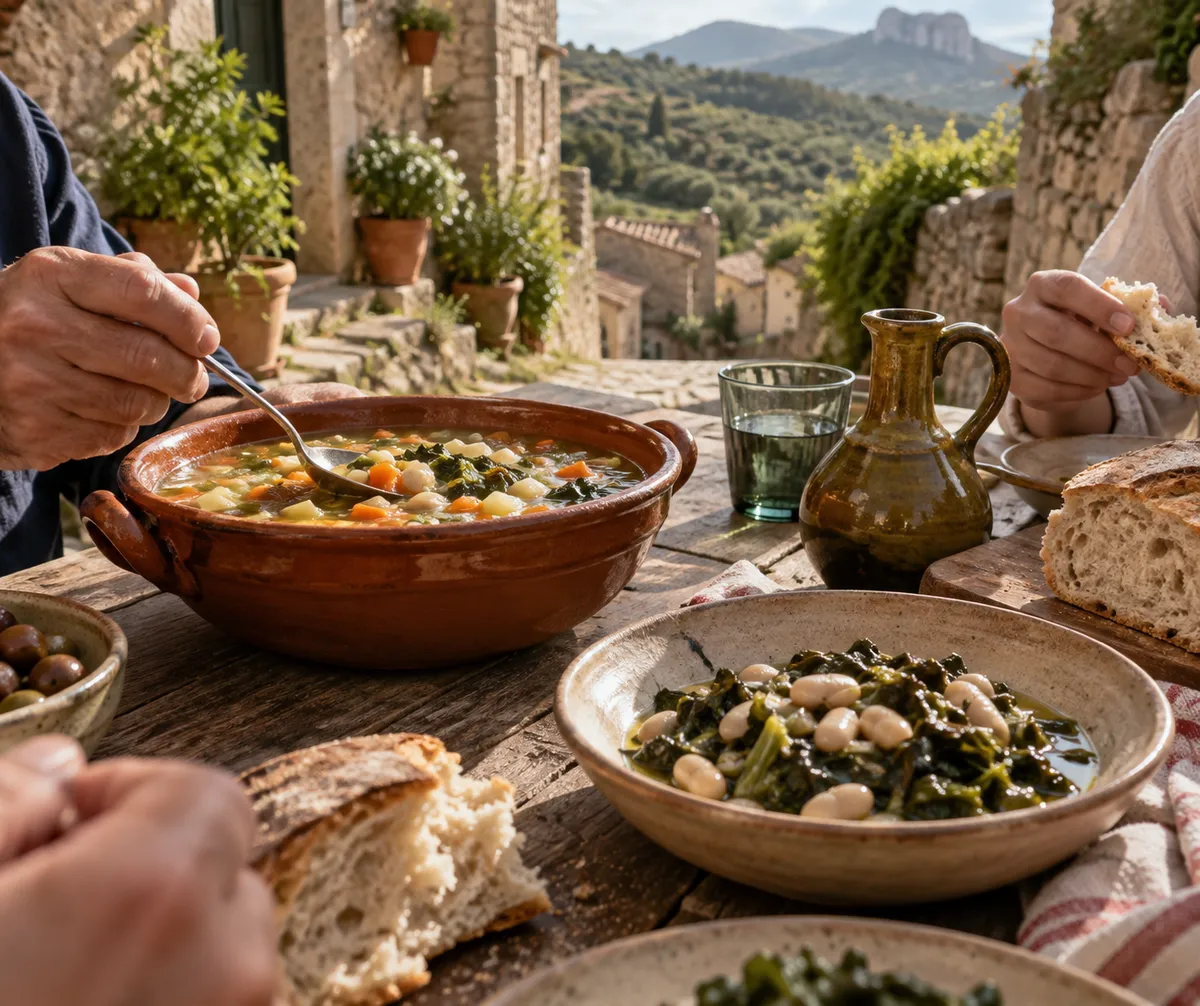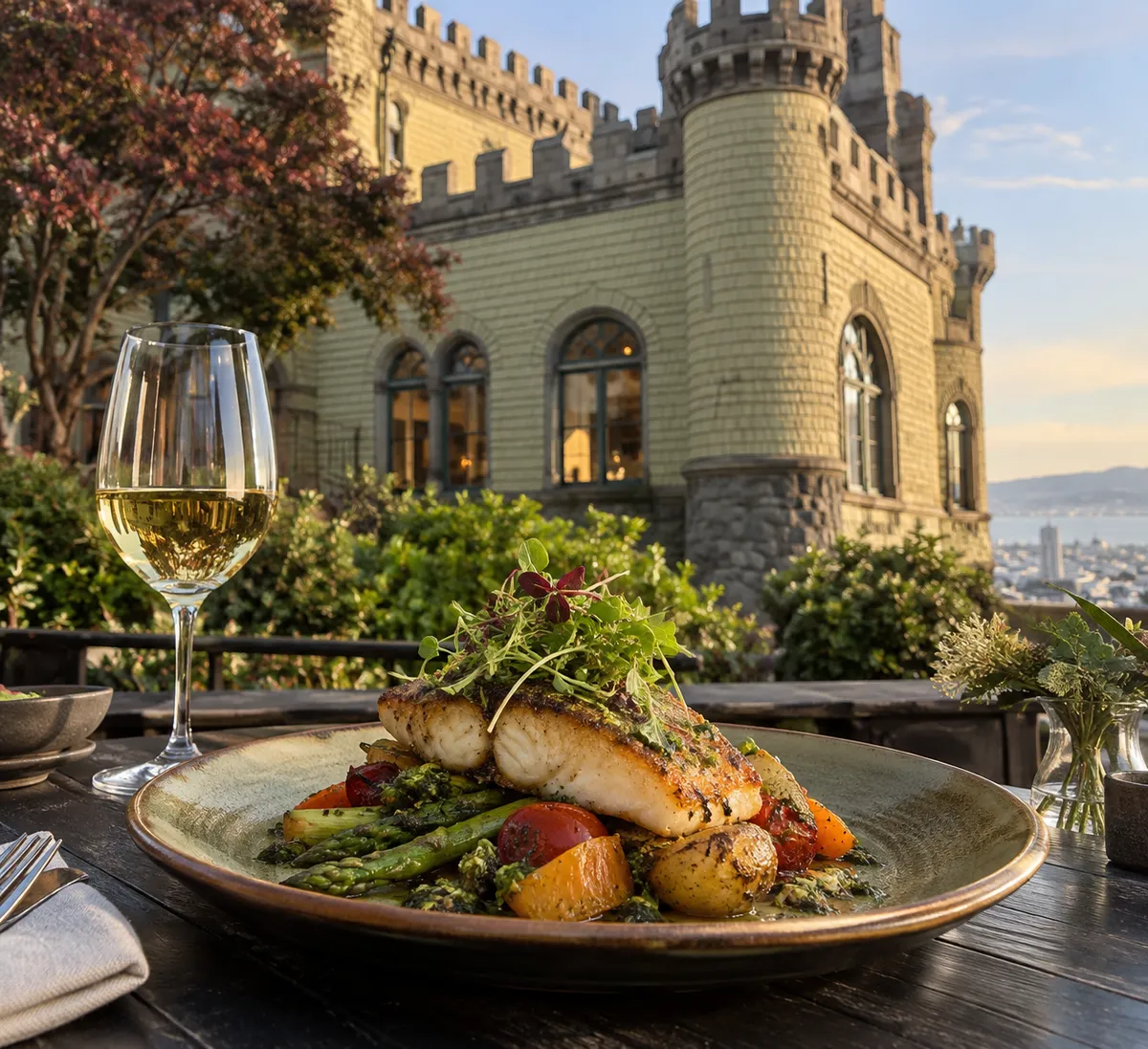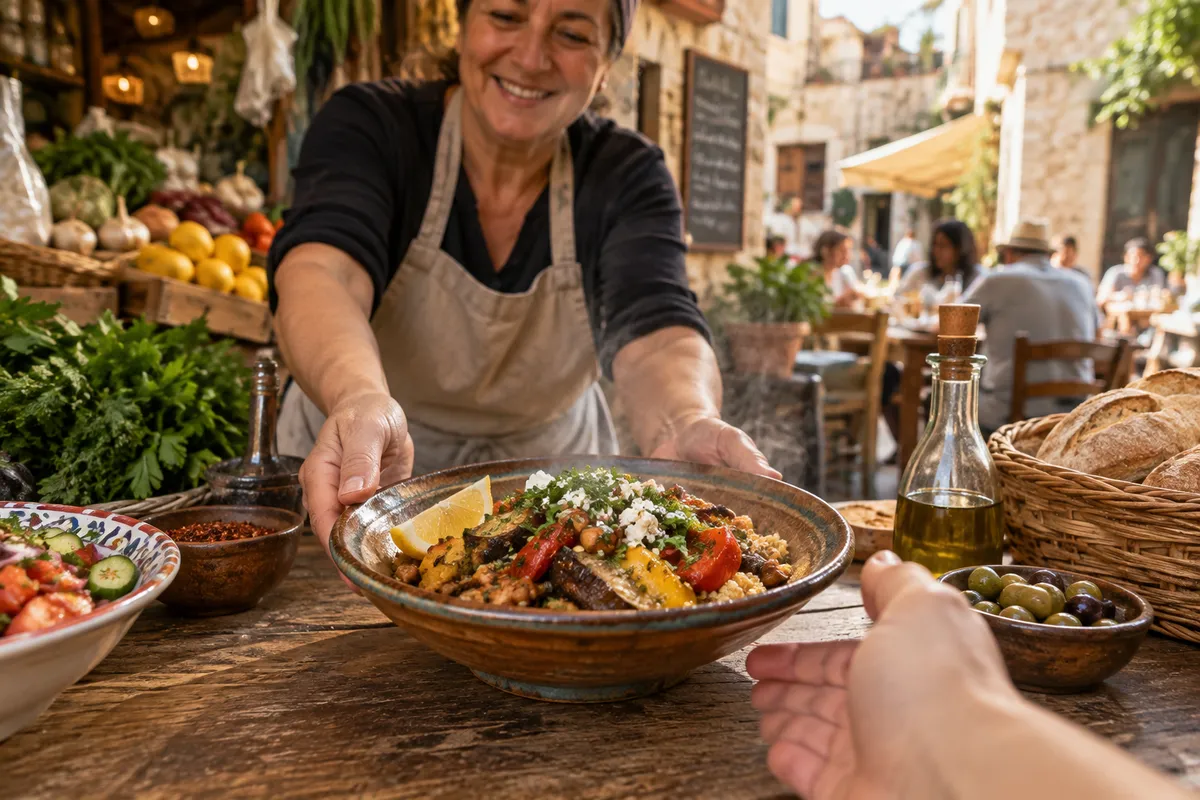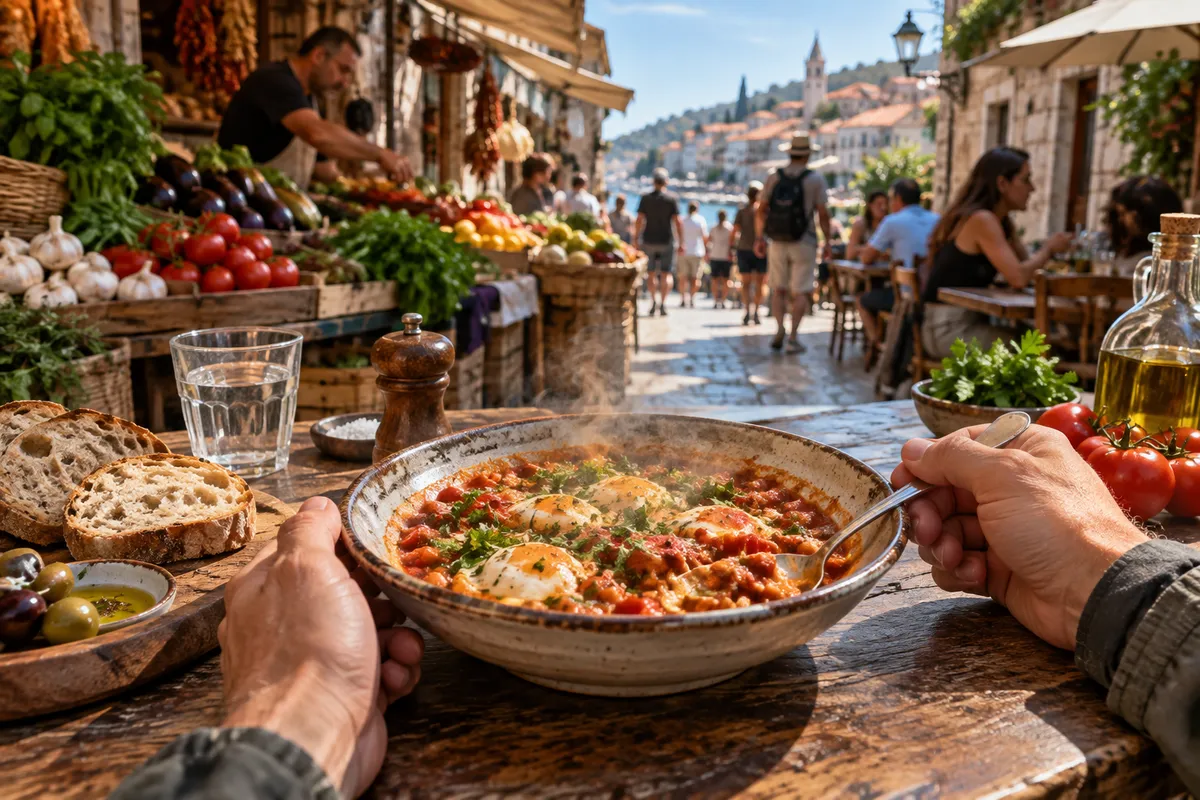
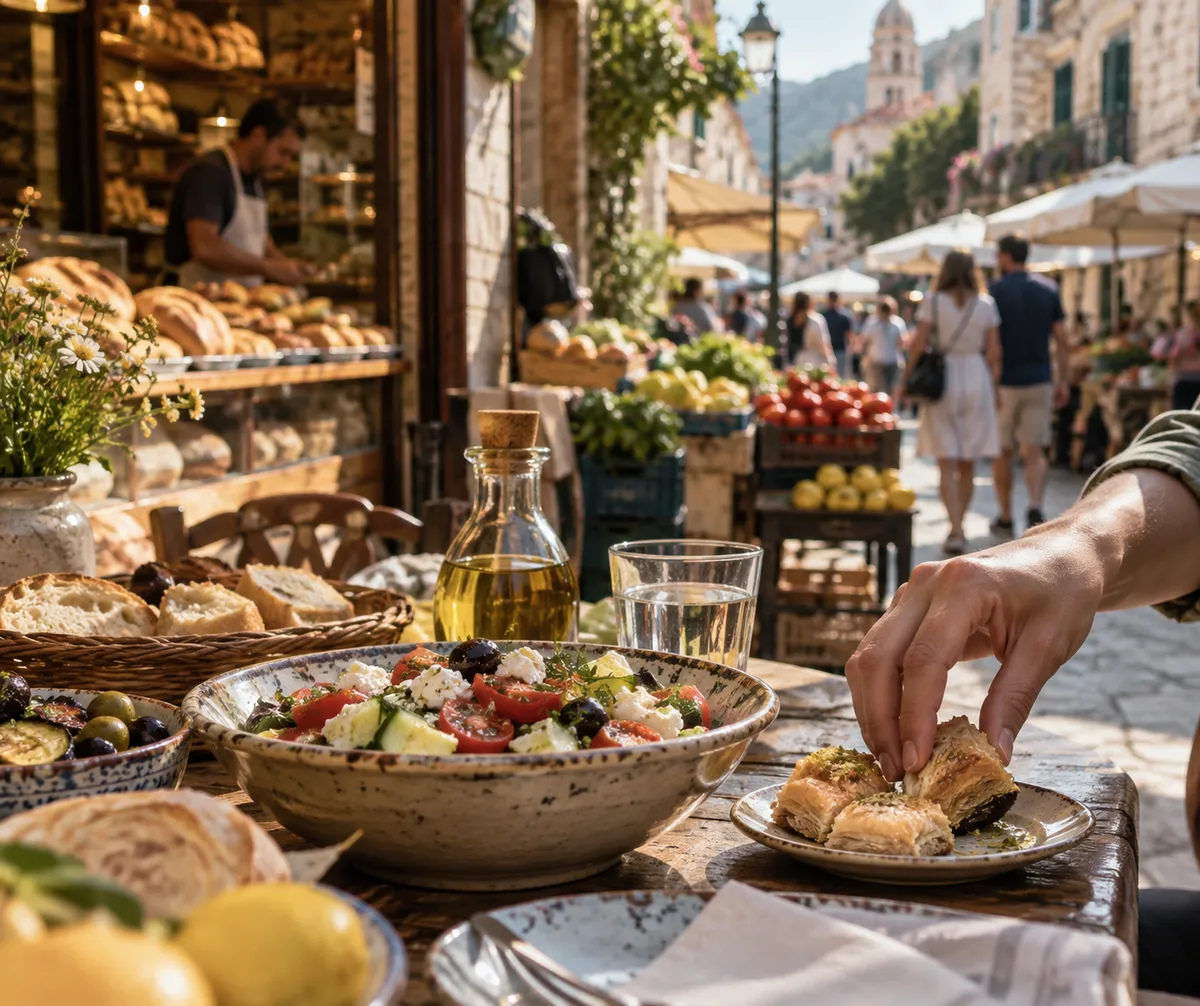
Planning a trip around food does not mean booking every meal for ten days straight. It means choosing a few anchor meals, leaving room to wander, and knowing how to find the places locals actually love. This guide walks through nine steps, drawn from a Real Simple piece on planning vacations around food, and shows how to apply them without turning your itinerary into a spreadsheet.
The reasoning is simple. Meals, markets, and regional specialties tend to be what make a trip feel personal rather than generic sightseeing. Here is how to do it, in roughly the order you will need each step.
Before You Go: Research and Anchor Meals
1. Research local specialties
Start by finding out what a place is known for eating. Pick three to five dishes and learn what they are, how they are traditionally served, and what the regional variations look like. Even a little knowledge changes how you read a menu. You stop ordering the safe option and start recognizing the house version of a classic.
A simple habit: keep a running note on your phone titled with the destination, and add dishes, bakeries, and market names as you come across them.
2. Build your itinerary around standout meals
Instead of fitting meals in around sights, flip it. Choose one or two meals you most want to eat, then plan the day around the neighborhood where each one sits. You get a natural route, and the meal becomes the centerpiece rather than an afterthought.
5. Book key restaurants in advance
Those anchor meals are the ones worth reserving. Popular restaurants can fill up, so secure only the handful that matter most. Everything else can stay open, which brings us to the balance that keeps a food trip fun.
On the Ground: Eat Where the Locals Eat
3. Ask locals where they actually eat
The best tips often come from people who live there. Ask a hotel front desk, a shopkeeper, or a market vendor a specific question: "Where would you go for a regular Tuesday lunch?" is more useful than "What's the best restaurant?" The first points you to everyday places, while the second tends to produce the famous names everyone already knows.
4. Visit markets, bakeries, and food halls
These are some of the easiest ways to taste a region on a budget and a flexible schedule. A market lets you sample several local specialties in one stop, a bakery gives you a quick breakfast or snack tied to local tradition, and a food hall lets a group each order something different.
Some ways to get more from them:
- Go earlier in the day, when stalls are typically fully stocked.
- Look at what locals are buying, not only what is displayed for visitors.
- Order small amounts of several things rather than a big portion of one.
6. Leave room for spontaneous finds
This is what keeps food-first planning from becoming overplanning. Leave at least one meal per day unplanned. If you walk past a queue of locals outside a small counter, or smell something irresistible from a street cart, you have the freedom to stop. Some of the most memorable bites are the ones nobody told you about.
A workable rule: one anchor meal a day, everything else flexible.
Go Deeper: Learn and Bring Home
7. Take a food tour or cooking class
If you want context, a food tour or cooking class gives you the stories behind the dishes along with the tastes. A tour is a good first-day move because it orients you to a neighborhood and gives you ideas for what to revisit. A cooking class sends you home with a skill, which is a souvenir of its own.
8. Shop for edible souvenirs
Food you can pack extends the trip once you are home. Think shelf-stable items you can carry: spices, sweets, preserves, or other regional pantry goods. Check your airline's and your home country's rules on bringing food across borders before you buy, since restrictions on some items vary.
9. Document meals as part of the trip memory
Take a quick photo of each standout meal and jot a one-line note: the dish, the place, what made it good. Months later, that small record is more evocative than another skyline photo. It is also a ready-made list to share with friends who are headed to the same place.
A Simple Home Recipe to Extend the Trip
You do not need a specific destination to try this: make a "market plate" at home using what you brought back or found locally. Gather bread from a good bakery, a soft cheese or spread, something pickled or preserved, a few seasonal fruits or vegetables, and olive oil or another regional condiment. Arrange everything on a board and eat it slowly. It mirrors the way many market lunches work, with no cooking required, and it is a pleasant way to use those edible souvenirs.
A Sample Food-First Day
- Morning: Bakery stop for something local, then a walk through the nearest market.
- Midday: Unplanned lunch, based on a local's tip or whatever looks busiest.
- Afternoon: Sightseeing near your evening reservation.
- Evening: One booked anchor meal, followed by a quick note and photo for your trip record.
That is it: one reservation, several open slots, and plenty of room to follow your nose.
Start With One Dish
Before your next trip, pick a single regional dish you have never tried and plan one meal around it. Reserve that table, leave the rest of the day loose, and let the food decide where you wander next.