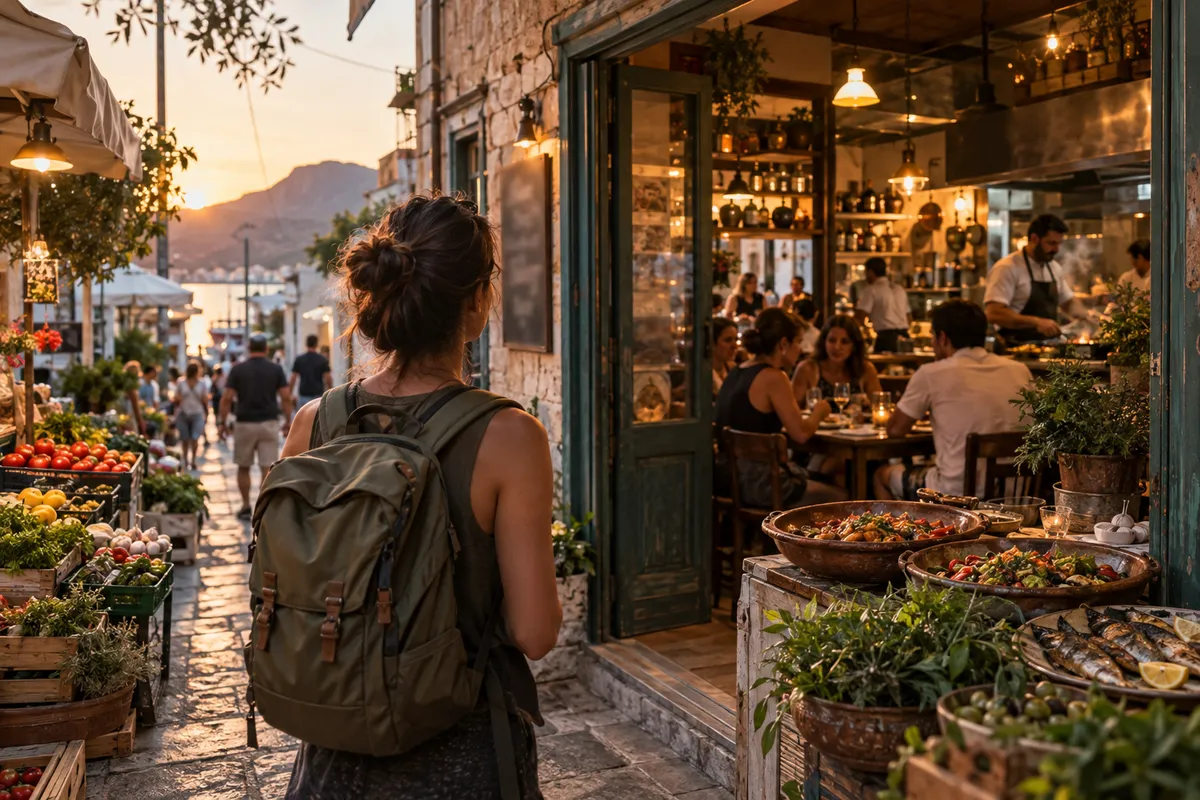
Choosing where to eat on a trip can feel like a high-stakes exam. You have a limited number of meals, a flood of online opinions, and a nagging fear of ending up at the place every other visitor was steered toward. This guide gives you a simple framework: how to research before you go, what to look for when you're standing on the sidewalk, and how to decide between a splurge and a casual find.
The topic is timely in a lasting way. The New York Times recently published a guide on choosing restaurants while traveling, and the reality behind it is familiar: social media hype, online reviews, and hard-to-get reservations have made dining choices feel weightier than they used to. The advice below is our own practical take on that problem, not a summary of the Times piece.
Start With the Food, Not the Restaurant
Before you open a review app, work out what the destination is known for. Every region has a handful of dishes, ingredients, and eating customs that define it. Search for those first, then look for places that do them.
This changes your question from "Where's the best restaurant in this city?" to "Where do I find the best version of this dish?" The second question is easier to answer, and it steers you toward meals that could only happen where you are.
A few ways to do this:
- Write down three local dishes you want to try before you arrive.
- Look up whether the area has a signature meal time or custom, such as a long lunch, a late dinner, or a morning market breakfast.
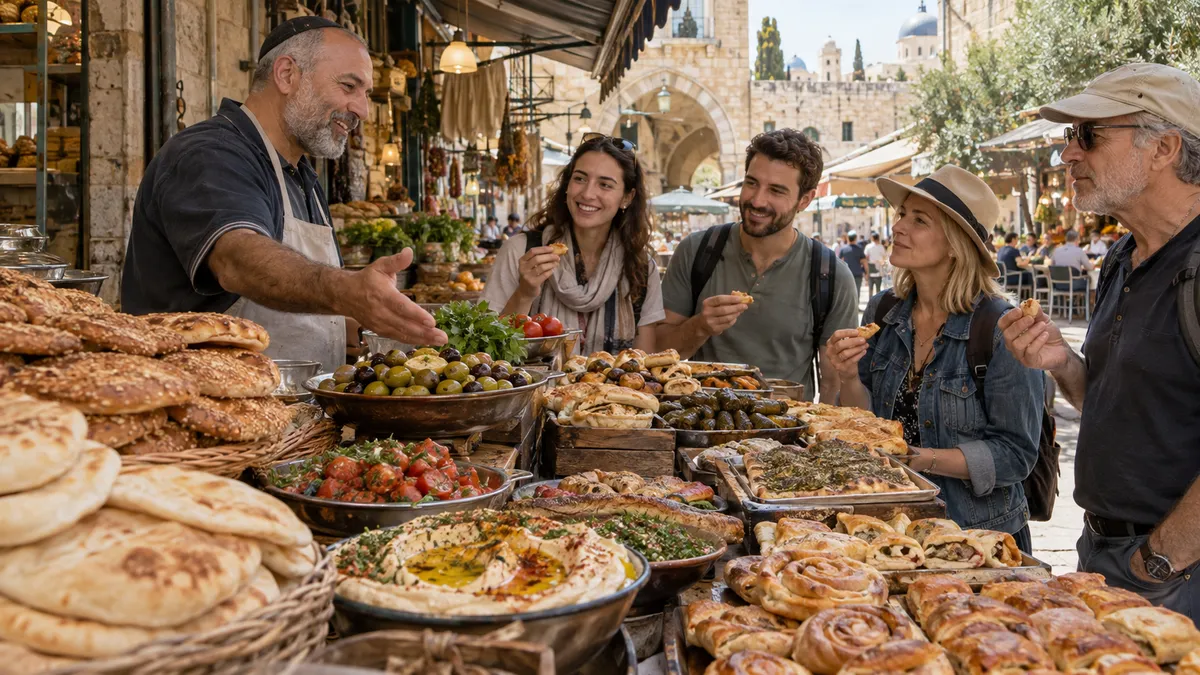
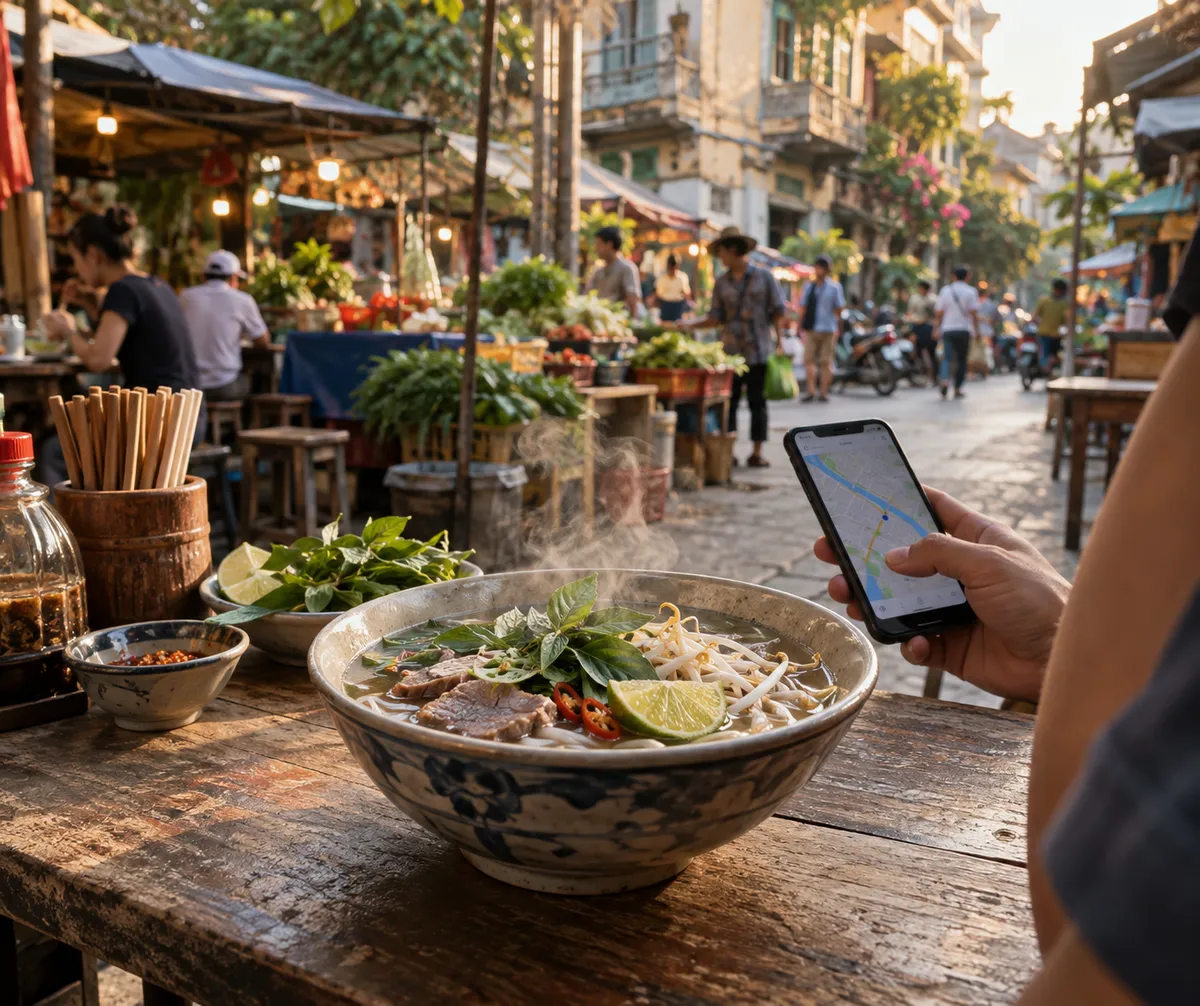
- Note which dishes are street food or market food. Those are often the cheapest and most local meals of the trip.
Use Reviews as a Filter, Not a Verdict
Reviews are useful, but they work best when you don't overthink them. Treat them as a way to rule things out rather than to crown a winner.
What to look for
- Patterns, not outliers. One angry review or one glowing review tells you little. Repeated comments about the same thing, such as slow service or a standout dish, tell you more.
- Specifics. A review that names a dish and describes it is more helpful than one that just says "amazing."
- Who is writing. If every review is in one language and mentions the view, you may be looking at a place that caters to visitors. Reviews that mention the food itself are a better sign.
What to ignore
Don't chase a perfect score. Set a rough bar, pick a few places that clear it, and stop scrolling. Spending an hour comparing near-identical options costs you more than a slightly imperfect dinner would.
Read the Street: Local Signals
Once you're on the ground, your eyes are better than any app. These cues suggest a place is worth your time:
- A short, focused menu. Kitchens that do a few things tend to do them well. A huge menu spanning several cuisines is a common warning sign.
- Local customers. If people who clearly live nearby are eating there, especially at ordinary hours, that's a strong signal.
- Lines that make sense. A queue at a market stall or small counter often means turnover and fresh food.
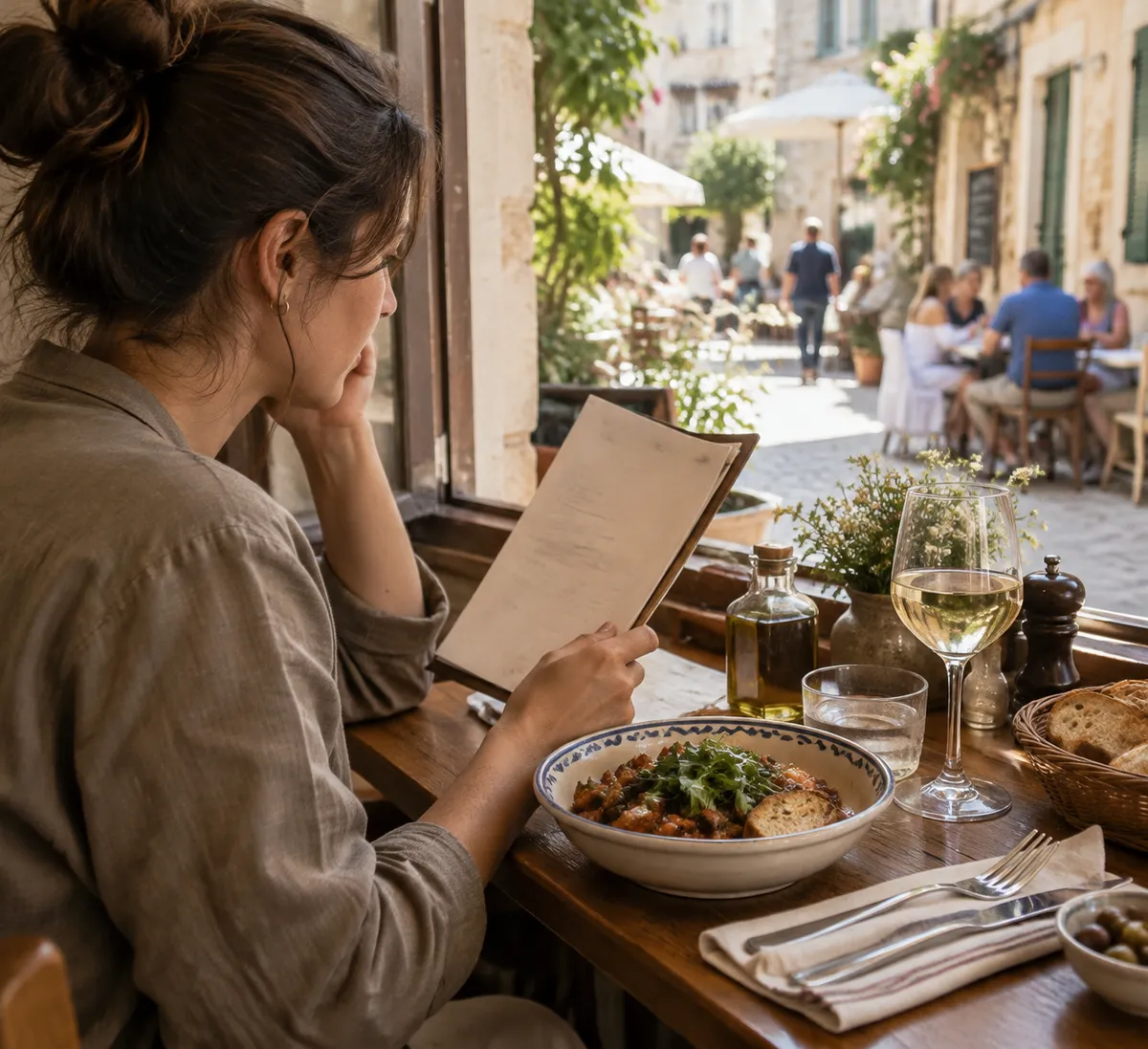
- The menu is in the local language first. Translations are fine, but if the menu leads with photos and several languages, consider whether the place is built for passing foot traffic.
- Location away from the main attraction. Restaurants right beside major landmarks often rely on volume rather than repeat customers. Walking a few blocks can change the picture.
None of these is a guarantee. Treat them as a vote count: the more that line up, the better the odds.
Spot the Tourist-Trap Red Flags
Tourist-trap restaurants tend to share some habits:
- Staff outside actively pulling people in.
- Photo-heavy menus with every cuisine under one roof.
- Prices posted nowhere, or a menu that only appears after you sit.
- An empty dining room at the hour locals typically eat.
One red flag isn't a dealbreaker. Two or three together is your cue to keep walking.
Splurge Meal or Casual Gem?
You don't need to choose one style for the whole trip. A useful rule is to plan one or two anchor meals and leave the rest loose.
Pick the splurge when
- The restaurant's food is tied closely to the place, like a regional tasting menu or a famous local specialty.
- You can book ahead. Reservation scarcity is real, so reserve early or skip it without regret.
- It's an occasion worth marking.
Pick the casual option when
- You're hungry now and flexible on timing.
- The dish you want is a street food or market staple.
- You'd rather spend the money on more meals than on one big one.
A good balance is one planned meal per day at most, with the other meals left to wandering, markets, and counters.
A Quick Checklist for Picking Dinner Fast
When you're tired and hungry, run through this in two minutes:
- Does it serve something the area is known for?
- Is the menu short and focused?
- Are locals eating there?
- Are prices visible, and do they feel fair?
- Do recent reviews mention specific dishes in a positive way?
Three or more yeses? Sit down and enjoy it.
Leave Room for the Unplanned
The best meals on a trip often come from a market stall, a bakery you walked past, or a counter with a short line. Keep one or two meals unplanned on purpose.
The next time you're choosing where to eat, pick one local dish you want, find two places that make it, and let the sidewalk decide between them.