A new national study out of Australia, reported by Medical Xpress, finds that meal delivery apps like Uber Eats and DoorDash are widely seen as "treat food" platforms, and that deals and app design nudge users toward less healthy choices. By the end of this guide, you'll know how to spot those nudges and have a handful of simple habits for ordering food you actually want, without a lecture attached.
This isn't about giving up delivery. It's about noticing when the app is making the decision for you.
What the research found
According to the Medical Xpress report, the study looked at how Australians experience meal delivery platforms. Two points stand out:
- People tend to think of these apps as places for treat food, not everyday meals.
- Promotions and the way the apps are designed push users toward less healthy options.
The researchers argue that governments should update nutrition policy so it covers digital food environments, not just supermarkets and restaurants. Per the report, Australia is already weighing stronger rules on promoting unhealthy food, especially to children, which makes delivery platforms a natural next target. Delivery apps are also growing quickly, alongside rising concern about obesity, chronic disease, and junk food marketing.
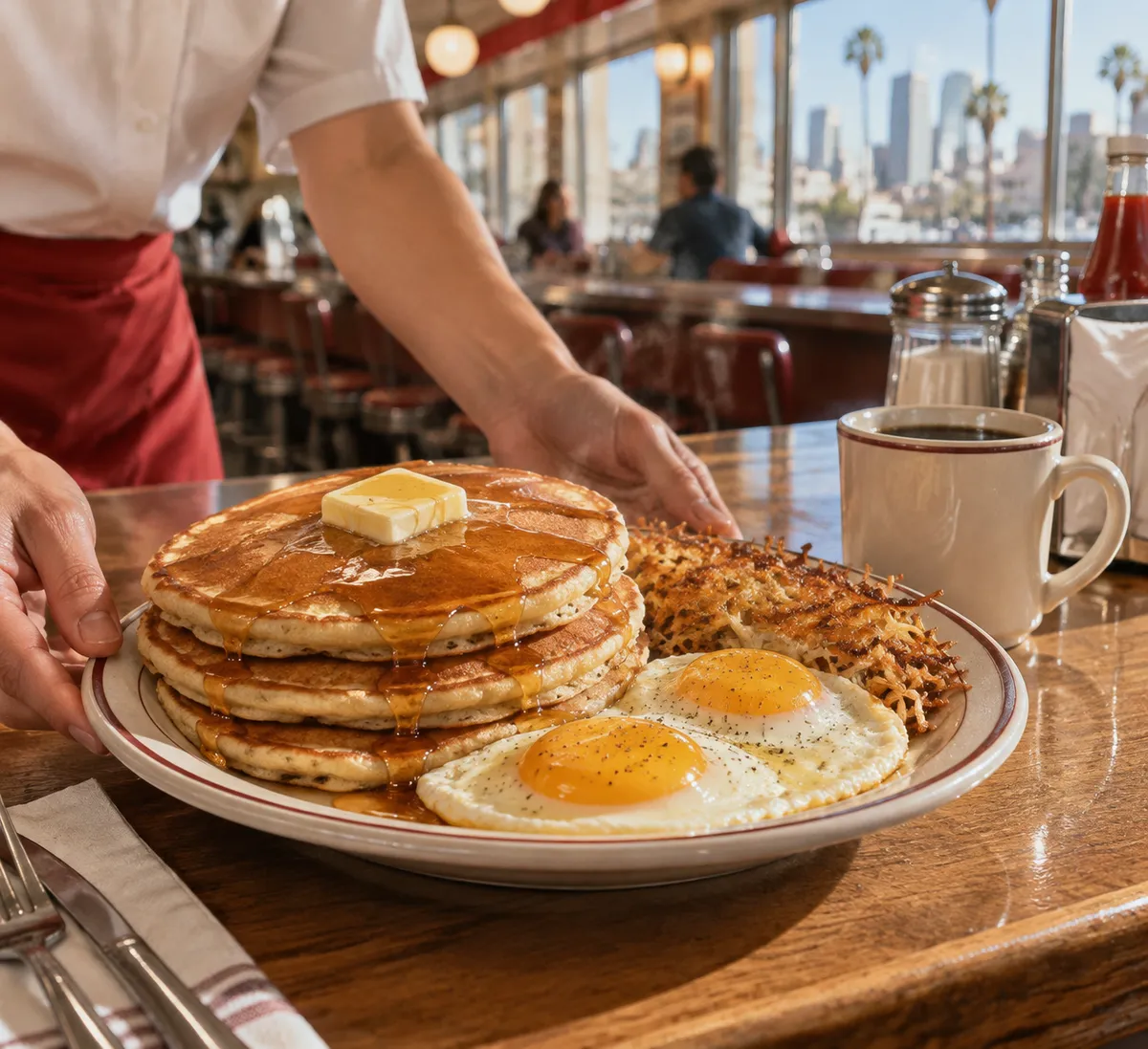
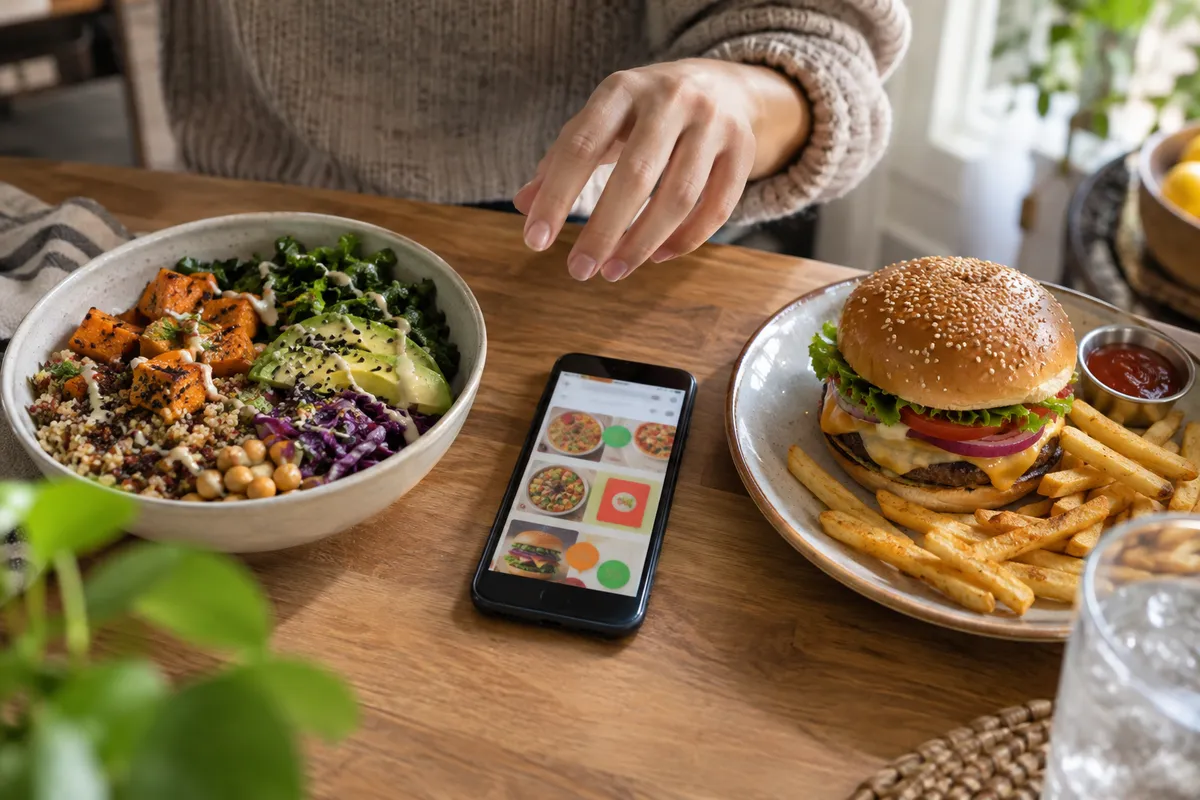
That's the policy side. The useful part for you is the mechanism: when an app is framed as a treat, and a discount sits right next to the burger, the choice starts to feel pre-justified.
Spot the nudge before it works
You can't control how an app is built, but you can recognize the moments where it's steering you. Watch for these:
The "deal" that picks your dinner
If you opened the app wanting a rice bowl and ended up with a discounted combo, the promotion made the call. Ask one question: would I have ordered this at full price? If not, the deal is shopping for you.
The treat frame
Because delivery feels like a reward, "I deserve this" arrives quickly. That's not a flaw in your willpower. It's how the category is perceived, according to the study. Decide in advance whether tonight is a treat night, so the app doesn't decide for you.
Convenience pricing
When ordering takes three taps, you skip the pause where you'd normally think about what you want. Adding a deliberate pause is the easiest fix.
Six simple rules for smarter ordering
These are practical habits drawn from the nudges above, not medical advice.
- Pick the food before you open the app. Decide on a dish or cuisine first. Then search for it directly instead of scrolling the homepage.
- Search by dish, not by discount. Typing "grilled chicken," "dumplings," or "lentil soup" keeps promotions from setting the menu.
- Run the full-price test. If you wouldn't order it without the offer, skip it.
- Make it a treat on purpose. If you do want the fried chicken, order it and enjoy it. Planned treats feel better than promo-driven ones.
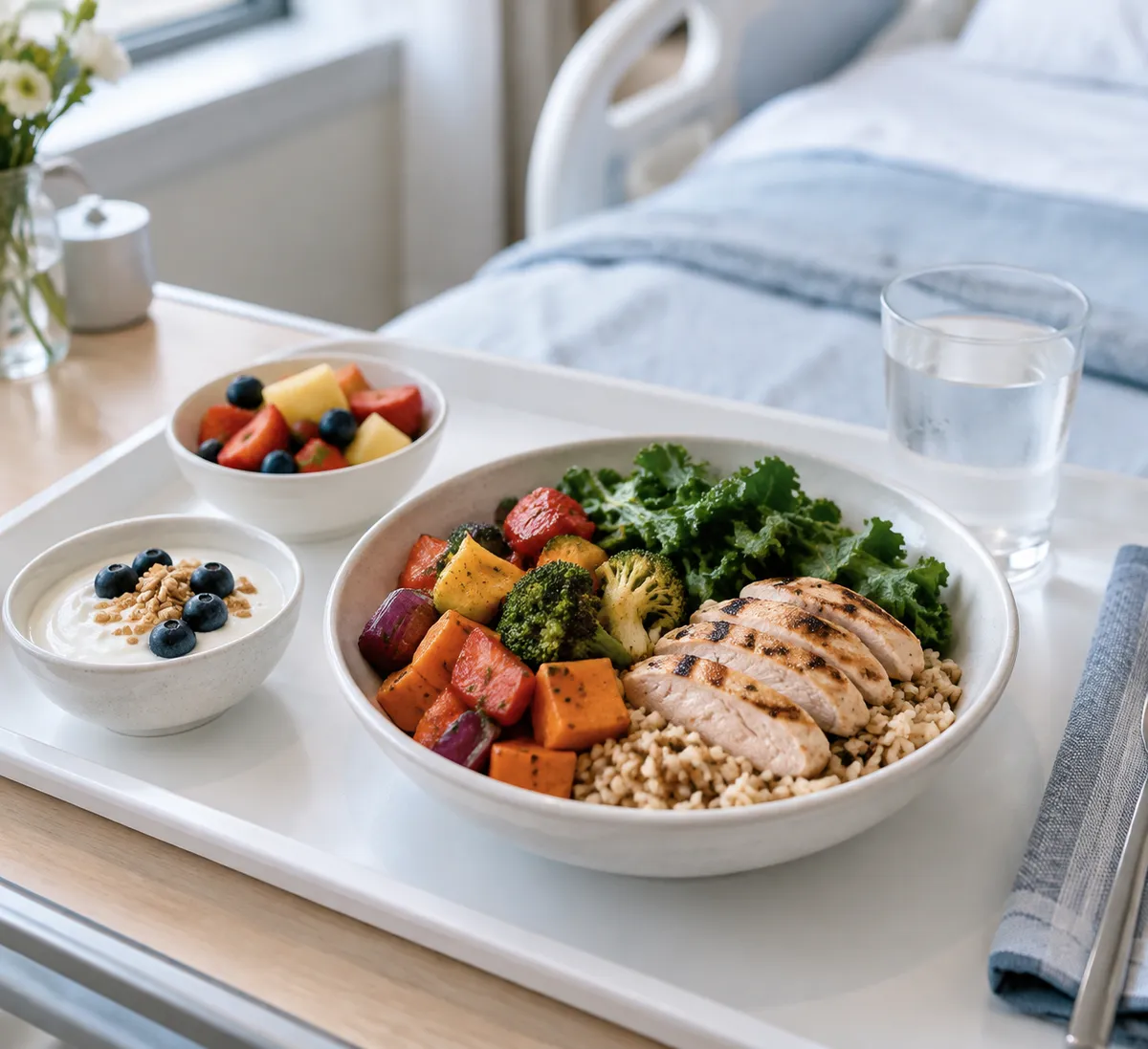
- Add one thing from the fresh side. A salad, a side of vegetables, or a fruit-based dessert from the same restaurant balances an order without changing your plans.
- Share the big items. Sharing a main with someone, or saving half for tomorrow's lunch, stretches a delivery order across two meals.
Try a delivery-night dinner at home instead
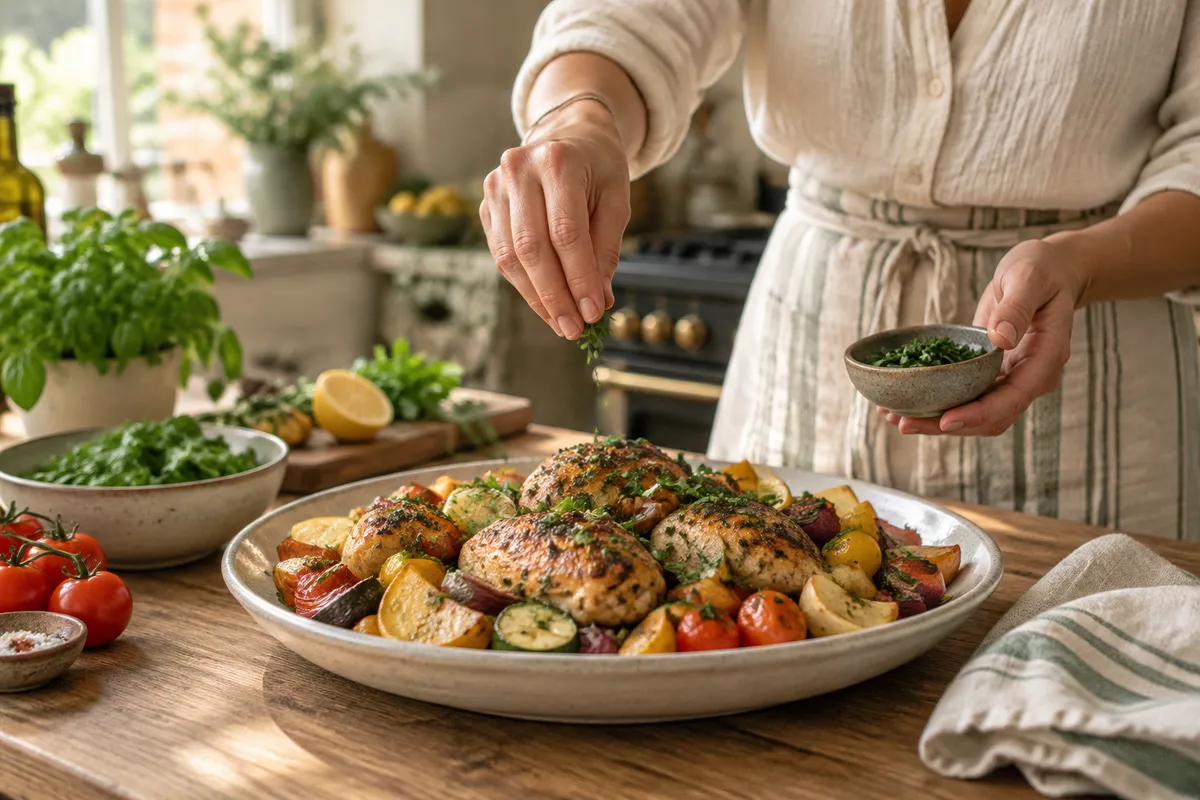
Sometimes the craving is for the feeling of a takeaway night, not the app. This quick tray-bake gives you that fragrant, shareable meal in about 30 minutes.
Sheet-pan spiced chicken and vegetables
You'll need: 4 chicken thighs, 2 cups chopped vegetables (capsicum, zucchini, red onion), 2 tablespoons olive oil, 2 teaspoons smoked paprika, 1 teaspoon ground cumin, salt, pepper, lemon wedges, and plain yoghurt to serve.
- Heat the oven to 220°C (425°F).
- Toss the chicken and vegetables with the oil and spices on a large tray.
- Roast for 25 to 30 minutes, until the chicken is cooked through and the edges are browned.
- Serve with lemon and a spoonful of yoghurt, with flatbread or rice if you like.
It's an easy template. Swap the spices for garam masala or oregano and lemon, and the same tray gives you a different cuisine.
What better apps could look like
The researchers' call is for government action to reset the balance and make healthy choices easier on these platforms. The report doesn't spell out specific design changes, so what follows is our own speculation: clearer ways to find lighter meals, or promotions that aren't weighted toward the least healthy items, would be natural places to start. Whether regulators go that way remains to be seen.
The takeaway
Next time you order, choose the dish first and open the app second. That one habit takes the app's nudges out of the driver's seat and keeps delivery as the treat you meant it to be.