If you run a cafe, market stall, bakery or small producer, you have probably thrown away something that felt like it should have been worth more. Researchers in Western Australia have launched a tool aimed at exactly that problem. Per Phys, Food Waste PRO is an online toolkit that helps small and medium food businesses measure their waste and then judge whether a reduction or upcycling idea is technically, legally and financially viable.
This guide takes that three-part test and turns it into a practical routine you can borrow, whether or not you use the toolkit itself. I only have the outlet's summary of the tool, so I won't describe its specific screens or features. What follows is a framework built on what was reported, plus plain common sense.
Why waste is now a money question
Phys frames food waste as both a sustainability problem and a missed commercial opportunity. That matters most for small operators, who face tighter margins and growing pressure to run efficiently. Every bin of trimmings, surplus or off-spec product is something you paid for. The shift in thinking is simple: stop asking "how do I dispose of this?" and start asking "what is this worth?"
Step 1: Measure before you fix anything
The toolkit starts with measurement, and so should you. You cannot judge an idea if you do not know how much material you are dealing with.
A simple audit looks like this:
- Pick a typical week. Avoid a holiday or an unusually quiet stretch.
- Separate waste by type. Peels and trimmings, unsold product, spoiled stock and plate scraps tell different stories.
- Weigh and record it. A kitchen scale and a notebook are enough to start.
- Note where it happens. Prep, storage, display or service? The stage tells you whether to fix a process or find a new use.
- Put a rough dollar value on it. Multiply the weight by what you paid per kilo.
After one week you will usually see that a few items account for most of the loss. Start there.
Step 2: Look for hidden value in byproducts
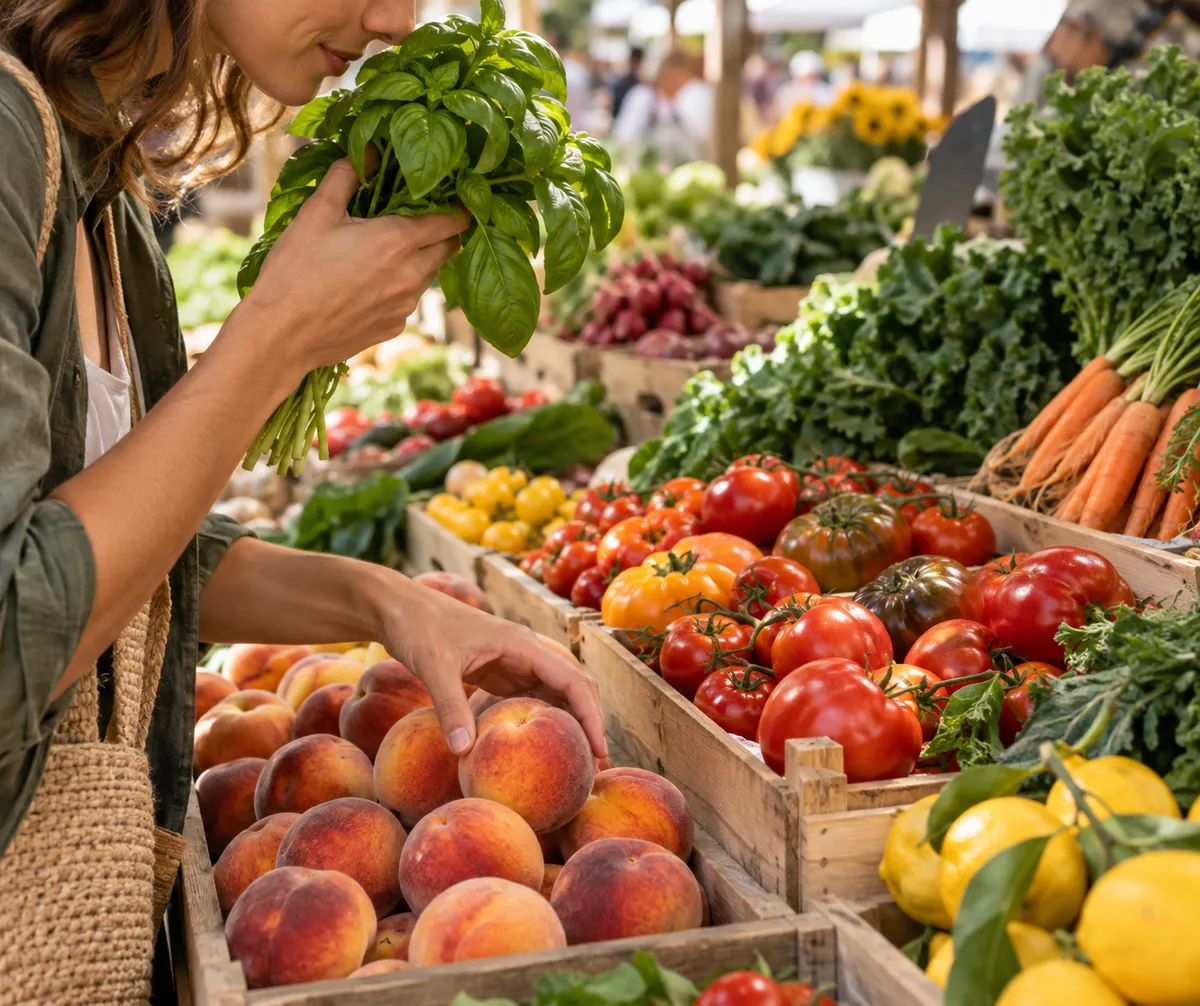
Once you know what you are throwing away, ask whether it could become something sellable. Phys highlights the commercial side of waste, and one of the suggested angles is that "ugly" produce can become a profitable product. Fruit that is too small, bruised or oddly shaped is often perfectly good to eat; it just does not suit a premium display.
Common directions to consider for any surplus ingredient:
- Process it: purees, sauces, jams, dried snacks or powders.
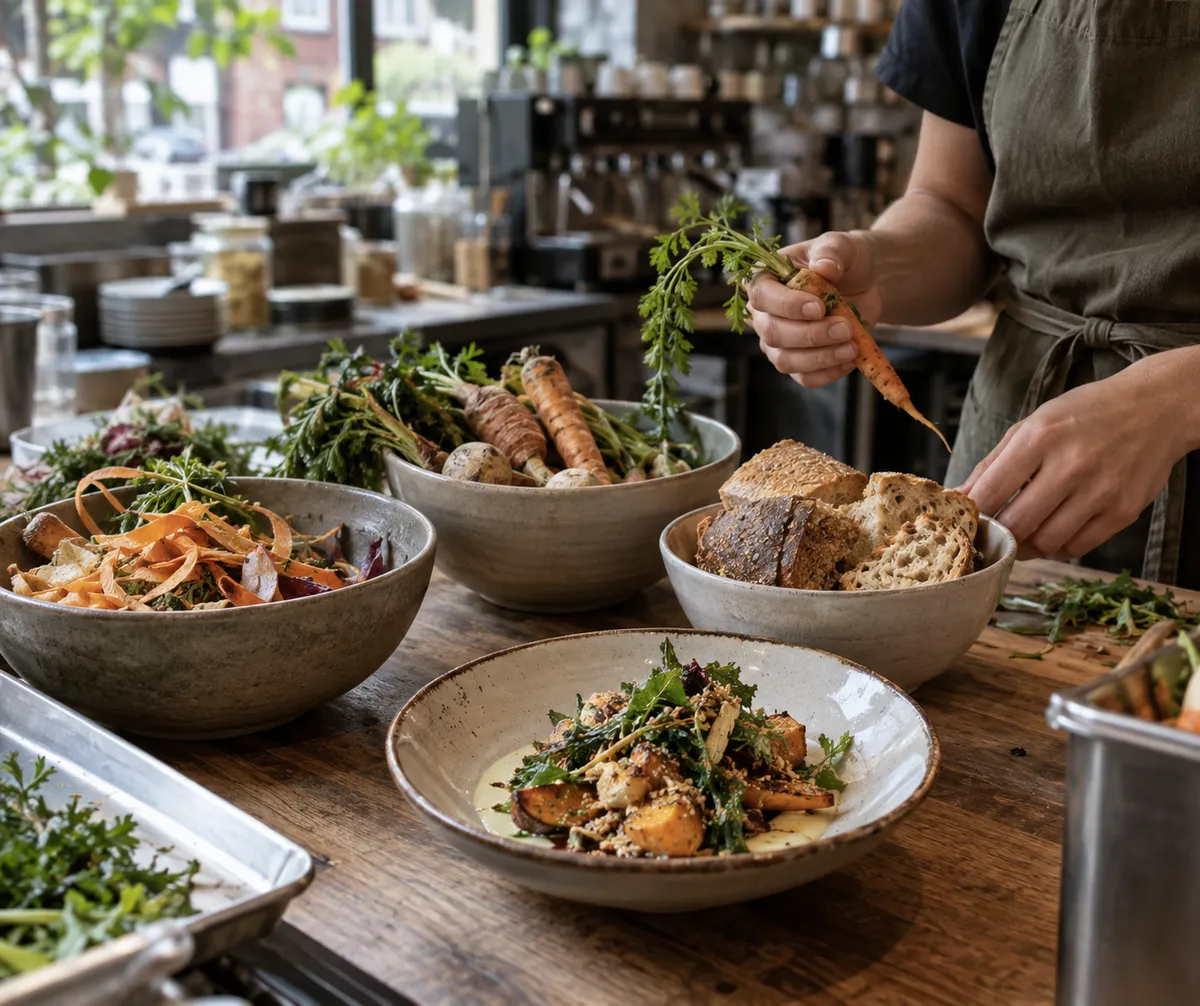
- Repurpose it: trimmings into stocks, crumbs or seasonings.
- Sell it differently: discounted "seconds" or pre-orders for surplus.
- Pass it on: food recovery partners, where suitable.
These are starting ideas, not guarantees. That is where the next step comes in.
Step 3: Run the three-part viability test
The heart of Food Waste PRO, as reported, is checking whether a solution is viable on three fronts. Use the same filter on any idea you have.
Technically viable?
Can you actually make it consistently with your equipment, space and skills? A great idea that needs a dehydrator you do not own, or a batch size you cannot handle, is a cost, not a product.
Legally viable?
Food businesses operate under rules on safety, labelling and handling, and turning a byproduct into a new product can change which rules apply. Check requirements with your local authority before you invest, not after.
Financially viable?
Work out the full cost: ingredients you already paid for, labour, packaging, energy, and your time selling it. Then compare that to a realistic price and realistic volume. If the numbers only work at a scale you cannot reach, park the idea.
An idea that passes all three is worth a small trial. One that fails one is not dead, but you now know exactly what needs to change.
Lesson from a near-zero-waste trial
The Phys report points to a trial with Sweeter Banana, described as a near-zero-waste effort, as one of the lessons from the project. I do not have the details of what was done or what it achieved, so I will not guess. The takeaway worth drawing is the ambition: a business looked at a single crop and tried to find a use for as much of it as possible, rather than accepting a fixed percentage of loss as normal.
You can borrow that mindset for whatever you handle most. If bananas, bread, citrus or greens dominate your waste log, make that ingredient your pilot.
A simple way to start this week
- Weigh your waste for seven days.
- Circle the top two items by cost.
- Brainstorm three possible uses for each.
- Score each idea on technical, legal and financial viability.
- Trial the highest scorer in a small batch before committing.
The point of Food Waste PRO, and of this routine, is to replace gut feeling with evidence. Your first step is the cheapest one: put a scale next to the bin and start writing numbers down.