Forbes recently published a roundup of the seven best places to visit in 2027, based on where luxury advisors at OvationNetwork are sending clients. The full list isn't something we can reproduce here, but the outline Forbes gave is useful on its own: two sporting events, a wetland most Americans can't find on a map, and a bicultural Alpine region.
That's enough to build a smart planning habit. Below, you'll find a way to research the food of any far-off destination, what each of those three categories suggests for eating, and a simple recipe to cook while you wait.
What the advisors are pointing to
Per Forbes, the picks lean on a strong "why now" hook rather than the usual bucket-list staples. The three themes named in the report:
- Destinations tied to two major sporting events
- A little-known wetland
- A bicultural Alpine region
We don't have the specific destinations from the report, so we won't guess at them. Check the original Forbes piece for the names. What follows works for any place on the list.
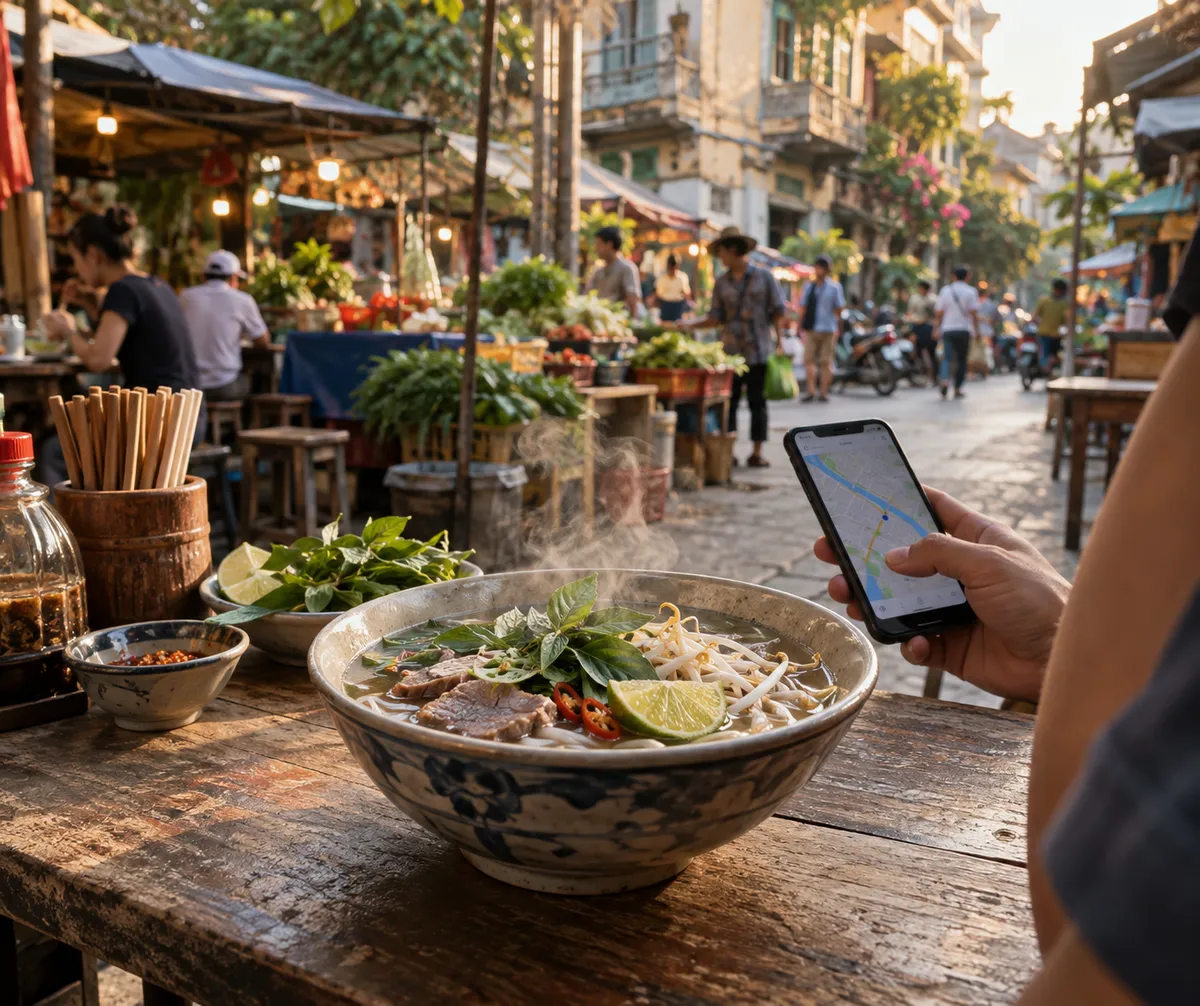
Step 1: Look up the regional dish before you look up the hotel
Trips booked years ahead give you something rare: time. Use it to learn what the place is known for at the table.
- Search for the region's signature dish and its local name.
- Find out which season it's eaten in, since that can shape when you go.
- Note the one or two ingredients that define it, such as a cheese, a grain, a fish, or a spice blend.
- Write down the type of place that serves it: a market stall, a family restaurant, a mountain hut, a bakery.
Ten minutes of this per destination gives you a food shortlist before prices climb.
Step 2: Read each category for its food clues
Sporting-event destinations
Big events tend to fill restaurants and raise prices in host areas. That's our general observation, not a claim from the report. If one of these destinations is on your list, consider booking tables early for any meal you care about, and look at neighborhood markets and bakeries for easy, flexible eating between match days or events.
It's also a good excuse to look beyond the stadium district. Host cities usually have food traditions in the surrounding neighborhoods that never appear in event guides.
The little-known wetland
Wetlands often shape what people eat nearby, whether that's freshwater fish, rice, reeds, or foraged greens. Since the report doesn't name the location, treat this as a research prompt: once you know the place, search for its traditional fishing or farming foods and ask how locals prepare them.
Remote destinations also mean fewer restaurants. Check whether lodges include meals, and ask what's cooked from local ingredients.
The bicultural Alpine region
A region shaped by two cultures usually shows it on the plate. Expect to see two naming systems on menus, and sometimes two versions of the same dish. That's a general pattern for border regions, so confirm the specifics for your destination.
Alpine food in general leans hearty: cheeses, cured meats, breads, dumplings, and soups are common across the mountains. Lunch at a mountain hut or village inn is a classic way to eat in the region.
Step 3: Build a flexible food list
A list beats a rigid itinerary. For each destination, make three columns:
- Must try: the signature dish
- Nice to find: a regional cheese, pastry, or drink
- Ask about: whatever the staff recommends that day
This keeps you open to local surprises while making sure you don't miss the headline dish.
A simple recipe to start the Alpine mood
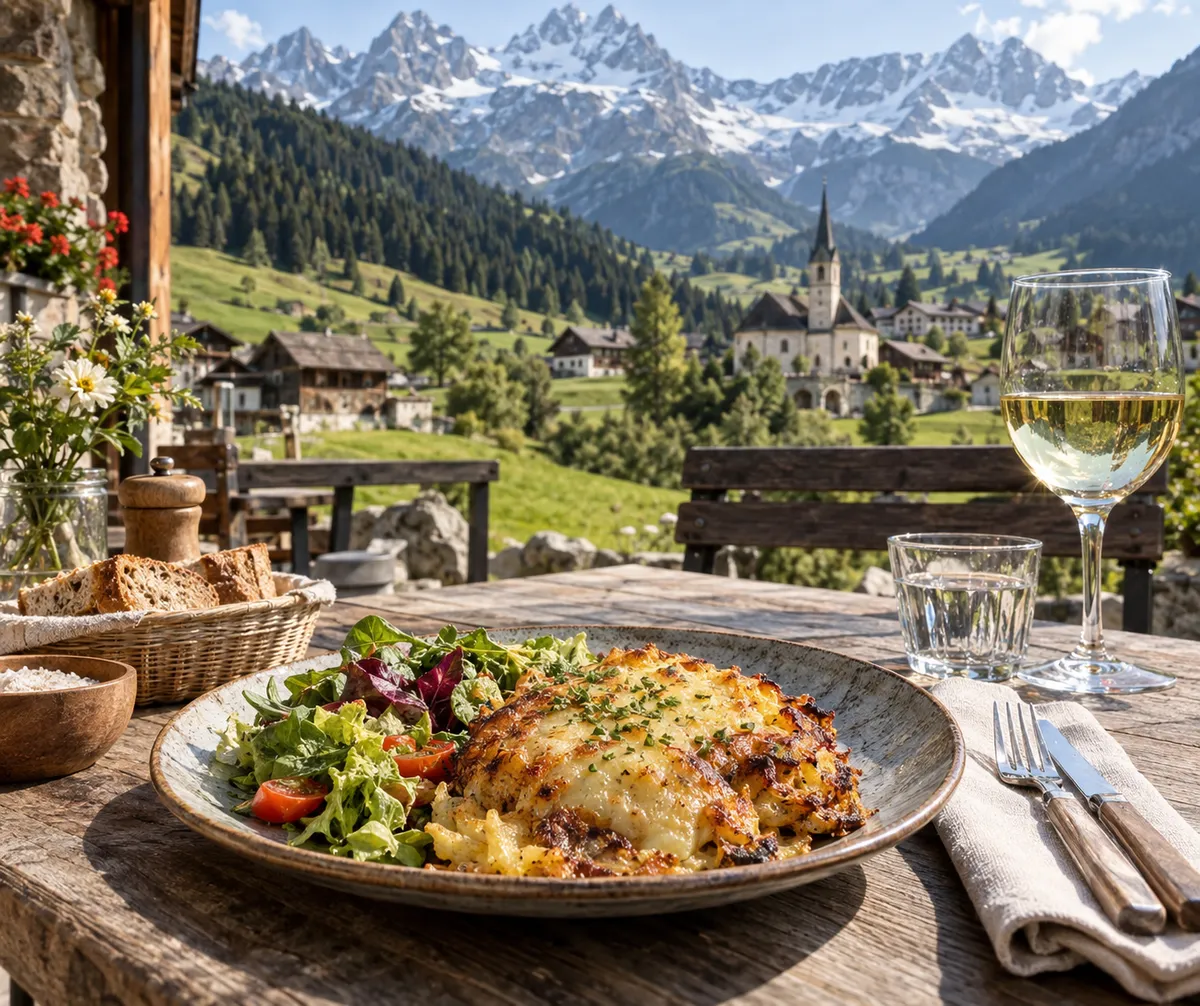
This is a general mountain-style dish, not a recipe tied to any specific region in the Forbes list. It's a cozy cheese and potato skillet that borrows from Alpine home cooking.
Ingredients (serves 2):
- 3 medium waxy potatoes, sliced about 1/4 inch thick
- 1 tablespoon butter
- 1 small onion, thinly sliced
- 1 cup grated melting cheese such as Gruyère or Emmental
- Salt and pepper
Steps:
- Simmer the potato slices in salted water for 6 to 8 minutes until just tender. Drain.
- Melt the butter in an oven-safe skillet over medium heat. Cook the onion for about 8 minutes until golden.
- Layer the potatoes over the onion and season.
- Scatter the cheese on top and broil for 3 to 4 minutes until bubbling and browned.
- Serve with a crisp green salad or pickles to cut the richness.
It's a good way to taste the kind of cooking you may find on the road.
Why plan food this early?
Forbes frames the list around where advisors are sending clients now. The practical lesson for any traveler is that popular places book up, and the best meals often do too. Doing your food research early gives you options when others are scrambling.
Your next move
Open the Forbes list, pick the one destination that surprises you most, and spend ten minutes finding its signature dish. That single search will tell you more about whether it belongs on your 2027 calendar than any brochure.