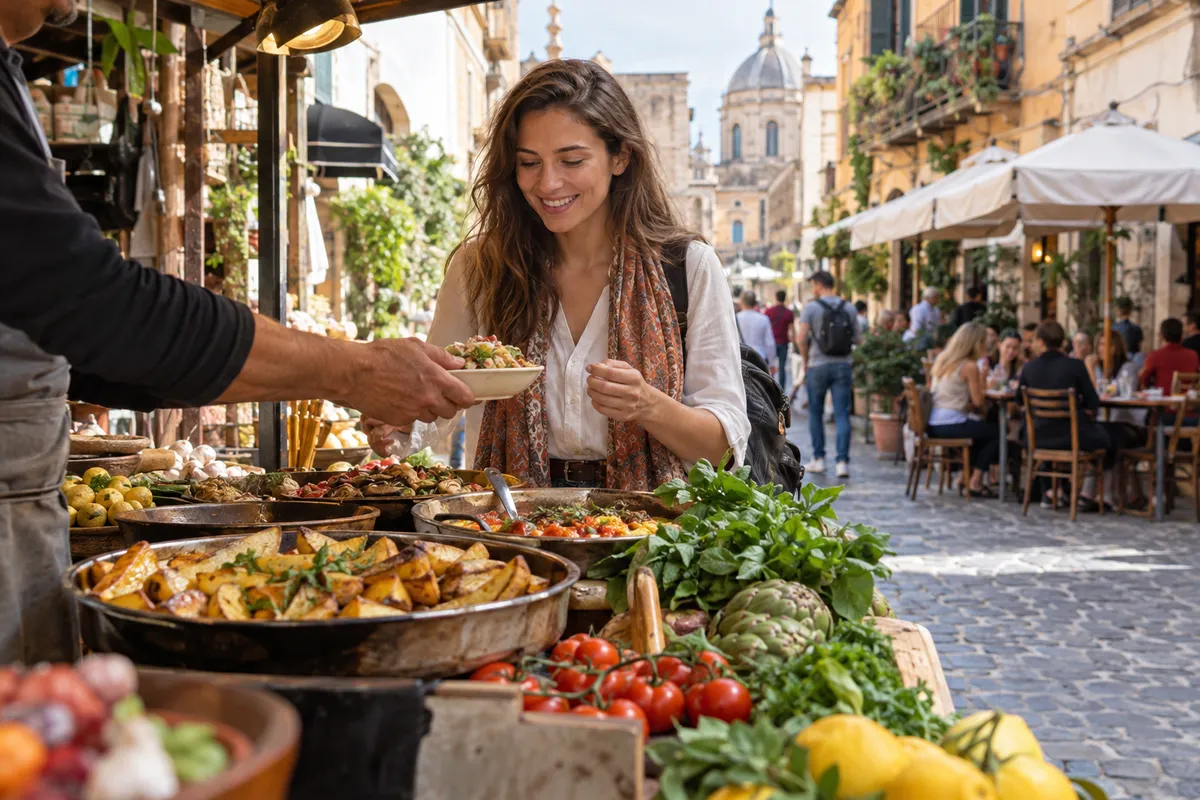
Food tourism is becoming a major force in travel, according to a recent piece from Meer's English edition. It reports that culinary experiences increasingly shape where people go and how they explore once they arrive. The same piece points to a wider shift: travelers are prioritizing authentic, local, experience-led trips.
That's useful if you want to try it yourself. Below is a simple way to build a trip where meals are the itinerary and the sights fit in around them. Nothing here depends on a specific destination, so you can apply it to a weekend away or a longer journey.
Start With a Dish, Not a Destination
Most trip planning begins with a place. Flip it. Pick one dish or ingredient you're curious about, then look at where it comes from and how it varies by region.
A few ways to do that:
- Choose a dish you already love and find the region most associated with it.
- Pick an ingredient, such as a cheese, a pepper, a olive oil or a seafood, and look for where it's produced.
- Read about a regional specialty you can't pronounce yet and let curiosity do the rest.
Once you have a starting point, the map fills in quickly: the town known for the dish, the market that sells the ingredients, the farm or producer nearby.
Build Your Days Around Four Types of Food Stops
The Meer piece names the kinds of places where food travel happens: markets, restaurants, street food, farms and local traditions. Treat those as a framework and aim for a mix each day rather than three sit-down meals.
Markets: Your First Stop in Any New Place
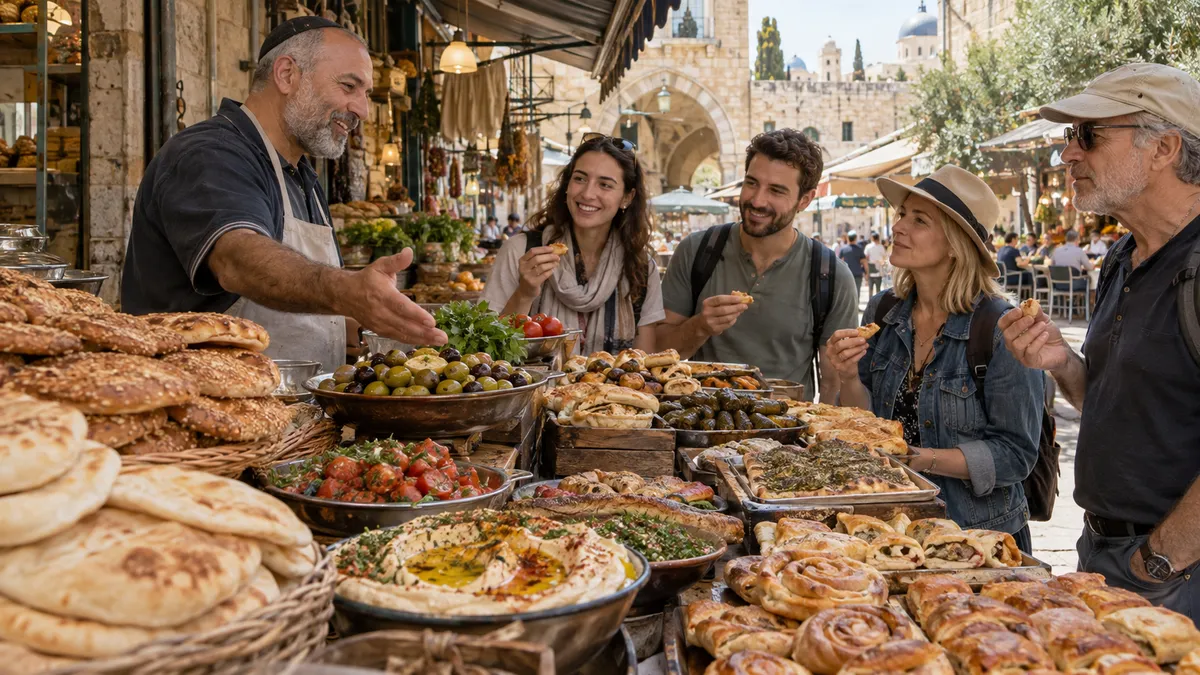
A food market shows you what's in season and what locals actually buy. Go early in your trip so you can spot dishes and ingredients to look for later. Walk a full lap before buying anything, notice which stalls have lines, and ask vendors what they'd eat today.
Street Food: The Cheapest Education
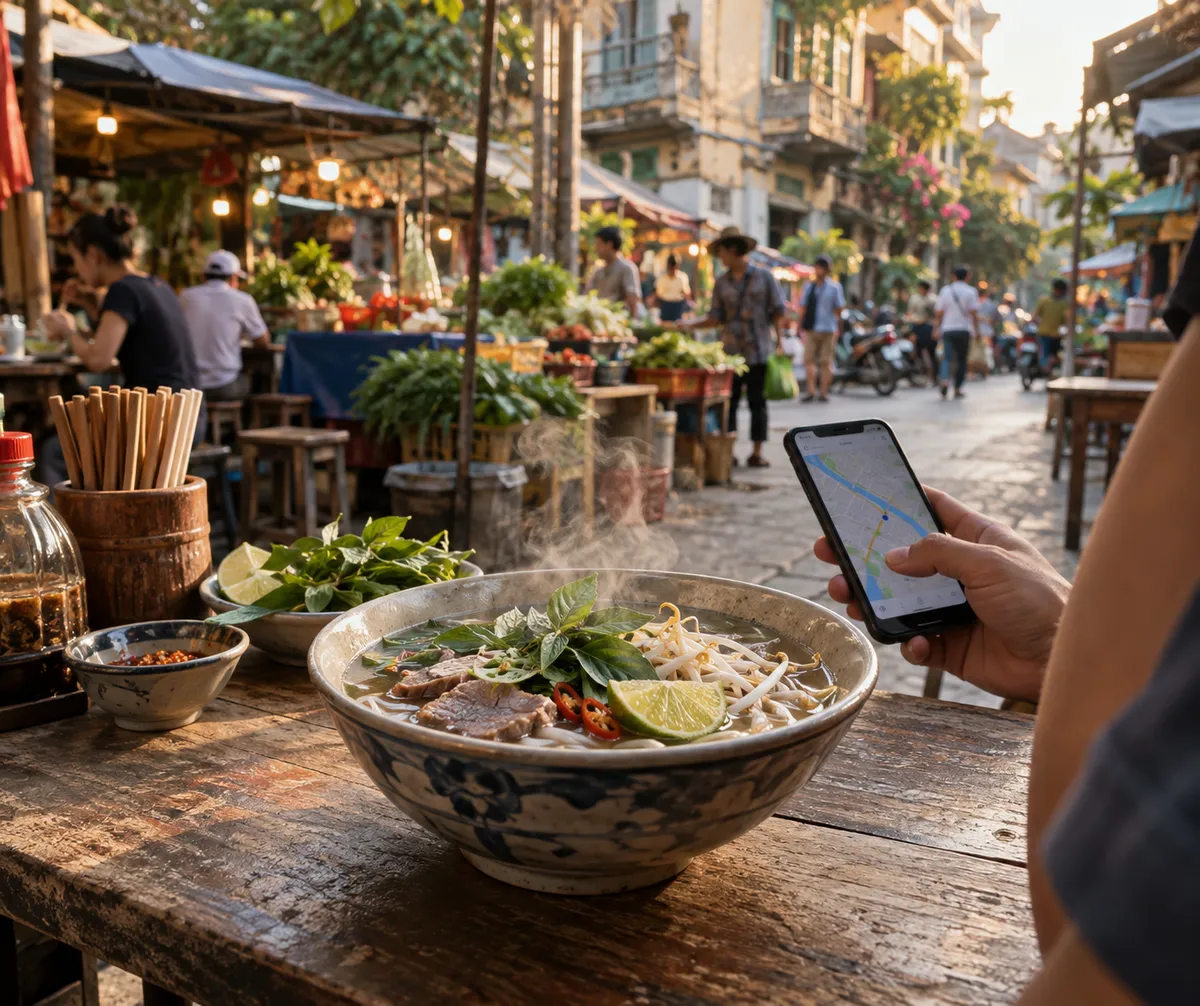
Street food lets you sample several regional specialties in one afternoon without committing to a full meal. Order one item at a time, eat it, then decide on the next. Stalls that specialize in a single dish are usually a good sign.
Restaurants: Choose Fewer, Choose Deliberately
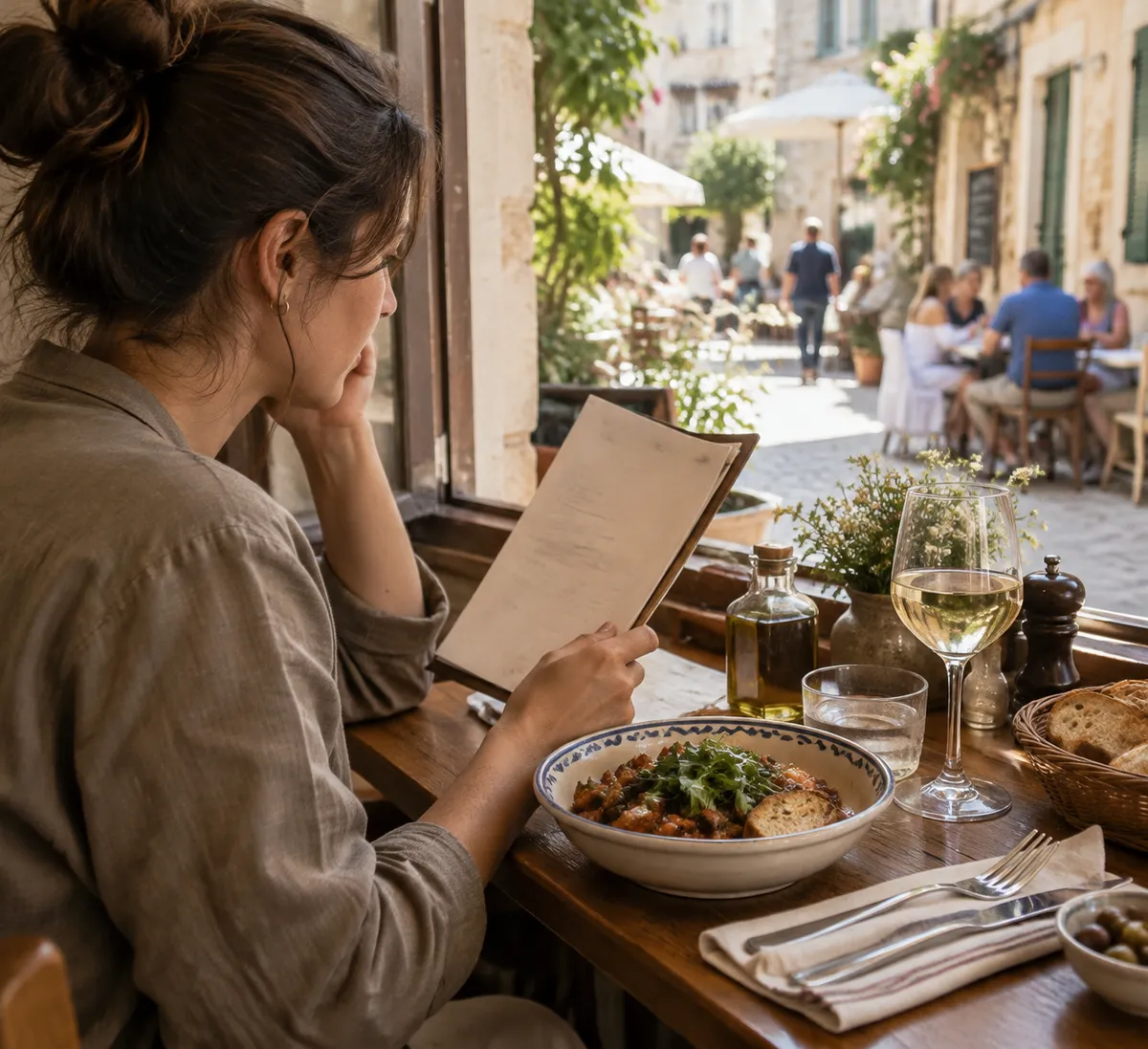
Save sit-down meals for dishes that take time or need a kitchen, like slow-cooked stews or multi-part regional spreads. Book one or two anchor meals for the trip and leave the rest flexible.
Farms and Producers: See Where It Starts
A farm visit, tasting or producer tour connects the plate to the place. Check ahead for opening days and whether you need to reserve, since small producers often have limited hours.
Learn the Local Dining Customs
Food travel isn't only about what you eat. It's also about when and how. Before you go, look up basic local habits: typical meal times, whether sharing dishes is the norm, how ordering works at counters versus tables, and whether tipping is expected. Knowing this keeps you from showing up at a kitchen that's closed between services or ordering in a way that confuses everyone.
Look for the Experiences Most Visitors Miss
Hidden food experiences are often just ordinary local routines that tourists skip. Try these:
- Visit a market on a weekday morning rather than a busy weekend.
- Choose a bakery or café away from the main sightseeing streets.
- Ask a market vendor or host how they'd cook what they're selling.
- Seek out seasonal dishes, which may not appear on tourist-oriented menus.
Think About Who Benefits From Your Meals
The Meer piece highlights food as a powerful driver for tourism boards, creators and hospitality brands, and that raises a fair question about local communities. Spending choices matter. Eating at family-run stalls, buying directly from producers and choosing local specialties over imported imitations all keep more of your money close to the people making the food. That's our suggestion, not a finding from the report, but it's an easy habit to adopt.
A Simple Recipe to Start at Home: Tomato, Olive Oil and Bread Plate
You can practice the food-first mindset before you book anything. This no-cook plate works as a template for tasting an ingredient properly, and you can swap in any regional product.
You'll need: ripe tomatoes, good olive oil, flaky salt, crusty bread, and optional fresh herbs.
- Slice the tomatoes thickly and let them sit with a pinch of salt for 10 minutes.
- Toast or warm the bread.
- Arrange the tomatoes on a plate and drizzle generously with olive oil.
- Add herbs if you like and serve with the bread.
The point is to taste the ingredient itself. Try the same plate with different oils or tomato varieties and notice the differences. That's the same curiosity that drives a food-focused trip.
A Sample Food-First Day
Here's a flexible template, not a prescription for any one place:
- Morning: Market lap, with a snack from a stall.
- Midday: Street food crawl, one item at a time.
- Afternoon: Producer visit or tasting, or a cooking class if one is available.
- Evening: One anchor meal built around a regional specialty.
Sightseeing fits in the gaps between stops, which is exactly the reversal of the usual trip.
Your Next Step
Pick one dish you want to understand better, find where it comes from, and build a single day around it: a market, a street snack, a producer and one proper meal. Do that once and you'll see why food is steering so many travel plans.